Muktinath, located at an elevation of 3,710 metres in Nepal’s Mustang district, is a sacred pilgrimage site for both Hindus and Buddhists. Muktinath means “the place of liberation or moksha” in Sanskrit, and it is believed that bathing in the holy waters of its 108 taps brings salvation to the soul. Aside from its religious significance, this region is a popular trekking destination with stunning views of the Annapurna and Dhaulagiri mountain ranges. Visitors can trek to Muktinath via the difficult Thorong La Pass, or take a more leisurely road or helicopter route. This region also provides a glimpse of traditional Mustangi culture and lifestyle. Muktinath is a must-see destination for those looking for a unique blend of spiritual, cultural, and natural thrilling experiences in Nepal. With Muktinath tour packages as your travel buddy beside you can book and plan your this vacation at Muktinath for a divine thrilling experience.
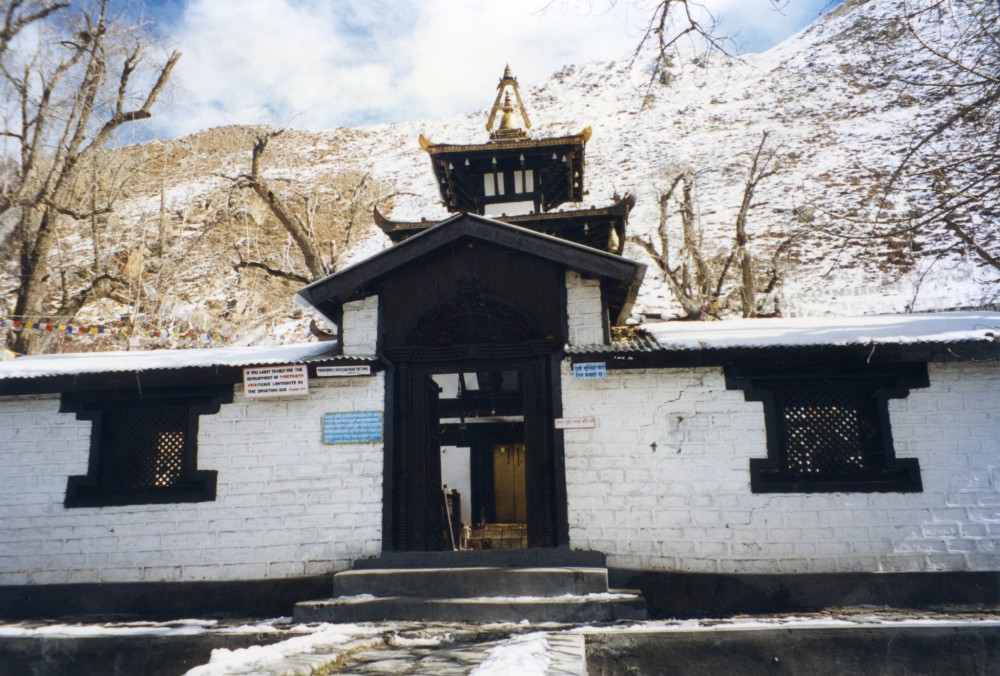
Exploring Muktinath – Exciting Things to Do
The sacred pilgrimage site of Nepal’s Mustang district Muktinath, is a masterpiece of pilgrimage and adventure. It holds religious significance for both Hindus and Buddhists. Muktinath is located 3,710 metres above sea level, surrounded by snow-capped mountains and breathtaking natural beauty. Let us explore some activities and spots in Muktinath to make your trip more exciting;
Visit the Muktinath Temple:
Muktinath’s main attraction is the Muktinath Temple. It is a Hindu and Buddhist pilgrimage site dedicated to Lord Vishnu. The temple has 108 brass water spouts that are thought to be holy and capable of washing away sins. Many pilgrims come to Muktinath to bathe in these holy spouts.
Trek to Muktinath:
Muktinath is accessible by trekking from a number of locations in Nepal, including Jomsom, Kagbeni, and Pokhara. The trek to Muktinath is an excellent way to explore the region’s natural beauty and take in the breathtaking Himalayan views. Depending on the starting point and route taken, the trek can take anywhere from 3 to 7 days.
Visit Kagbeni:
Kagbeni is a small town on the way to Muktinath. It is an ancient town with traditional architecture and a way of life. The town is surrounded by the Himalayas and is located at the confluence of the Kali Gandaki and Jhong Rivers. Kagbeni is an excellent place to learn about the local culture, visit monasteries, and sample the local cuisine.
Visit the Jharkot Monastery:
Located near Muktinath, the Jharkot Monastery is one of the region’s oldest monasteries. The monastery, which is thought to have been built in the 15th century, has a long history. Many pilgrims visit the monastery to seek blessings because of its beautiful murals and statues.
Dip in the Kunda:
The Kunda is a small pond near the Muktinath Temple. It is thought to be holy and capable of cleansing sins. Many pilgrims take a spiritual cleansing dip in the Kunda.
Visit the Shaligram Museum:
Located in Jomsom, the Shaligram Museum is dedicated to the sacred stones known as Shaligrams. Shaligrams are black stones found in the Kali Gandaki River that are thought to be manifestations of Lord Vishnu. The museum has over 1,500 Shaligrams in its collection, and visitors can learn about their history and significance.
Enjoy the local cuisine:
Muktinath is well-known for its delicious local cuisine. Thakali thali, a traditional Nepali meal of rice, lentils, vegetables, and meat, and momos, steamed dumplings filled with meat or vegetables, are two popular dishes. These dishes can be found in local restaurants and tea houses.
Discover the local culture:
Muktinath is home to a diverse population of ethnic groups, including the Thakali, Gurung, and Tibetan communities. Visitors can immerse themselves in the local culture by participating in traditional festivals, visiting local homes, and interacting with the locals.
Finally, it is a religious and culturally significant site. Visitors can take in the region’s natural beauty, learn about the local culture, and seek spiritual blessings at the Muktinath Temple. It surely has something for everyone, whether you are a religious pilgrim or a traveller looking for adventure and culture.
How to Reach Muktinath
Muktinath is a popular pilgrimage site in Nepal’s Mustang district. It is located at an elevation of 3,710 metres above sea level and is accessible via various modes of transportation. Muktinath can be reached by rail, road, or air, as follows:
By Air:
Flying is the most convenient way to get to Muktinath. Jomsom Airport, about 20 kilometres from Muktinath, is the nearest airport. There are flights from Kathmandu and Pokhara to Jomsom Airport. Visitors can hire a jeep or take a shared taxi from the airport to Muktinath.
By Road:
Muktinath is accessible by road from all parts of Nepal. Jomsom, the nearest town to Muktinath, is connected by a well-maintained road network. Visitors can reach Jomsom by bus or jeep from Pokhara or Kathmandu. Visitors can reach Muktinath by trekking or hiring a jeep from Jomsom.
By Rail:
The nearest railway station to Muktinath is Gorakhpur Railway Station in India, about 400 kilometres away. Visitors can take a bus or a taxi from Gorakhpur to the Nepal border. Visitors can reach Muktinath by bus or jeep after crossing the border.
It is critical to remember that weather conditions, particularly during the monsoon season, can have an impact on road and air connectivity to Muktinath. As a result, visitors should check the weather and transportation availability before planning their trip. However, due to the difficult terrain and weather conditions, it is recommended that you hire a local guide or travel agency to ensure a safe and trouble-free trip to Muktinath.
Best Season To Visit The Region
Muktinath is best visited during the spring and autumn seasons, which are April to June and September to November, respectively. The weather is mild and the skies are clear during these months, making it easier to enjoy the beautiful landscape and mountain views. Temperatures are also pleasant during these months, ranging from 10 to 25 degrees Celsius during the day and dropping to 0 to 10 degrees Celsius at night.
The flowers are in bloom during the spring season, and the scenery is vibrant and colourful. Autumn is also a great time to visit because the skies are clear and the weather is dry, allowing for unobstructed views of the Himalayan range. These seasons also have less rainfall, making travel and trekking around the area easier.
It is important to note, however, that Muktinath can experience severe weather, particularly during the monsoon season (July to August) and the winter season (December to February). Heavy rain and snowfall can cause road closures and transportation difficulties, making it difficult to reach the pilgrimage site.
The best seasons to visit Muktinath are spring and autumn, when the weather is mild and the skies are clear. Visitors should plan their trip carefully and check the weather forecast before setting out.
Essential Guidelines
If you are planning a trip to Muktinath, here are some important things to remember:
Obtain the necessary permits:
To enter the Muktinath Temple, visitors must first obtain a permit. The permit is available at the Nepal Tourism Board offices in Kathmandu and Pokhara.
Dress appropriately:
Visitors are expected to dress appropriately because Muktinath is a sacred site. Men should wear full-length pants and shirts, while women should cover their shoulders with long skirts or pants.
Prepare for altitude sickness:
Muktinath is 3,710 metres above sea level, and visitors may experience altitude sickness. It is advised to acclimatise gradually by spending a day or two in Jomsom before travelling to Muktinath.
Carry enough cash:
Muktinath has no ATMs, and credit cards are not widely accepted. It is recommended that you bring enough cash for the duration of your trip.
Respect the local culture:
Visitors are expected to respect the local culture and traditions because Muktinath is a sacred site for Hindus and Buddhists. Do not disturb the prayer flags or leave trash in the vicinity.
Be prepared for weather changes:
Because Muktinath is prone to extreme weather changes, visitors should dress appropriately for rain, snow, or sun. Carry appropriate weather-protective clothing and equipment.
Hire a local guide:
Hiring a local guide can help you navigate the area while also providing insights into the local culture and traditions. It can also ensure your safety while travelling.
By following these important guidelines, visitors can have a safe and memorable trip to Muktinath.
 Shivika Travel Blogger