5 Best Places in Dubai for Hangout

Dubai is one of the major tourist places on the planet. Do you know why?

Because Dubai is not only a city to live in, it is the city of dreams. Every person who comes to Dubai has lots of expectations from the magnificent city and the best thing is, “Dubai matches with all of them”.

Apart from the skyscraper, Dubai has lots of other things to do. Dubai has lots of beaches, Desert safari, the world’s second-largest mall, the world’s largest aquarium, and many more.

Apart from all these things, Dubai also has the best nightlife in comparison to any other city in the world.

So if you are in Dubai or if you are planning a holiday in Dubai then this article is just for you. It will be really great if you book a Dubai Tour package and ask your tour operator to include these places on your Trip. As per our research, we found that Roaming Routes provide the best Dubai tour package or if you have someone else in mind, it’s your choice after all.

This article is about Dubai’s 5 best hangout places which should not be missed.

  • Ski Dubai (Snowpark)
  • Burj Khalifa (tallest building)
  • The Dubai Fountain (magical sightseeing)
  • Desert Safari (adventurous)
  • Dubai Aquarium and underwater zoo (a perfect place with family)

1. Ski Dubai

Ski Dubai is a snow park, located inside the Dubai Mall. Ski Dubai can give you the best experience of Dubai hangout. Ski Dubai is the perfect place to hit the scorching temperature of the city. You can do skiing, and ice sports with your family and friends and have some amazing time to literally chill out.

Why is it Popular?

During summers Ski Dubai is like heaven for travellers and local people. Ski Dubai is an adventurous hangout place in the summer.

What We Do Here

Ski Dubai can give you the best experience of Dubai hangout. You can ski or play in the snow here. If you are worried about your age, then stop worrying as Ski Dubai is the best place for a hangout for all age groups.

How to Reach Here

For Ski, Dubai Metro is the best option in comparison to the other transportation. Dubai Metro is very well connected to the city. Ski Dubai is in the mall of Dubai, so hop in a metro running towards Dubai Mall. If you want to come to Ski Dubai you have to come to the mall in Dubai. For the Dubai Mall metro is the best option.

Best Time to Visit This Place

Sun to Wed- 10 am to 11 pm,

Thu- Sat 10 am to 12 am, Location- The Mall of Dubai.

2. Burj Khalifa
Burj Khalifa

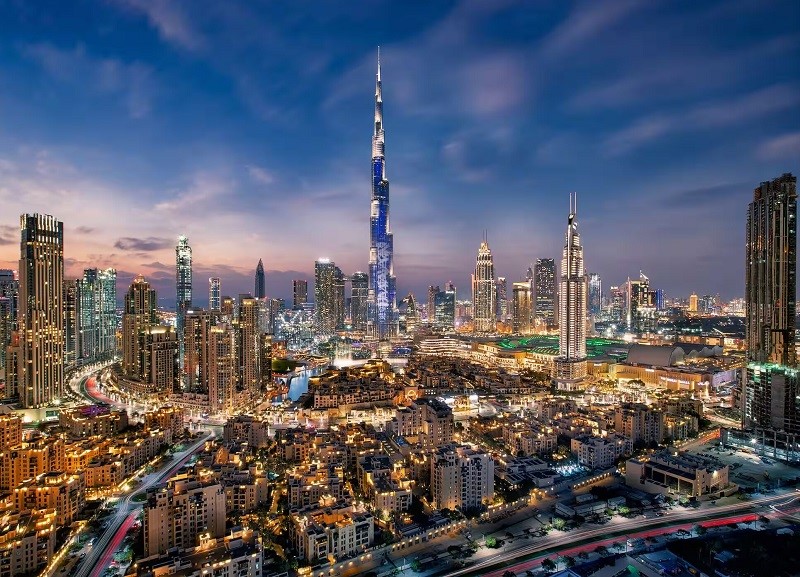
Burj Khalifa is one of the tallest buildings in Dubai. It’s an amazing experience to be on top of the 125th floor and feel the clouds from the window. It is a magical moment to cherish for your entire life. The building also has the best elevator with a speed of 10m/s. The building is easily visible even from a distance of 100 km.

Why It’s Famous?

Burj Khalifa is a very well-known tallest building in the world. It is also known for its best infrastructure. Observation Deck of Burj Khalifa holds the world records of being at the highest point.

What We Do Here

Burj Khalifa has 900 apartments and 304 hotel rooms along with many other entertainment areas. Burj Khalifa is also famous for its fine restaurants and for the gala movie theatre. Burj Khalifa has a restaurant, on its 122nd floor to experience world-class dining.

How to Reach Here

Dubai Burj Khalifa is near to Dubai Mall. If you are traveling through the metro then you have to take the red line metro for the Burj Khalifa. Burj Khalifa is within walking distance from The Dubai Mall.

Best Time to Visit This Place

The best time to visit Burj Khalifa is in the evening. Every evening from 7 pm to 11 pm you can visit Burj Khalifa and enjoy the best view of Dubai from its125th floor. The tantalizing view will take you to another world, and leave you awestruck for the rest of the evening.

Location- Downtown Dubai.

3. The Dubai Fountain

Everybody knows that Burj Khalifa is famous, but do you know that Burj Khalifa Lake is also famous?

If you don’t know about that lake, then you are surely missing a prominent place to visit in Dubai. Burj Khalifa Lake is famous for the Dubai Fountain, the largest fountain of its own kind. The Dubai Fountain is 902 feet long and can shoot water up to 500 feet. Every evening a light and sound show is done at the Dubai Fountain, which plays some classical music and some world music.

Dubai Fountain

Why is it Famous?

The Dubai Fountain is famous for its huge length and for the capacity of water shoots. The entertaining light and sound show of Dubai Fountain will get you goosebumps. The music can be of different origins, but someday they proudly showcase the Indian anthem song.

What do we do here?

At the Dubai Fountain, you can enjoy the show of the world’s largest fountain. The first way is that you can enjoy the show from a distance of 9 meters. Second, if you don’t want to stand over there and watch the show then you can do a boat ride in the Burj Khalifa Lake.

How to Reach Here?

Central Tower 1 is the nearest station to the Dubai Fountain. It’s a Walking distance so you can just walk from the station to this place. Take a metro or cab to reach this destination.

Best Time to Visit

The best time to visit Dubai Fountain is in the evening from 6 pm to 11 pm. For your best experience, you can go before sunset and after sunset for the two different experiences.

Location-Dubai mall

4. Desert Safari

Going to Dubai and not indulging in Desert safari is similar to visiting someone’s house for lunch and not having a meal. Desert safari is the most beautiful thing that Dubai has. All over the world, lots of countries and cities have Desert Safari, but none of them replicate 1% of Dubai’s desert safari.

Why is it Famous?

Desert Safari is famous for its camel ride, a huge range of powerful bikes, the best 4*4 safari vehicles, sand skiing, camping, and breathtaking scenes of sunset and sunrise.

What do we do here?

If you want to experience a desert safari spectacularly then you should do the evening safari and go camping over there. Desert safari in the nights is amazing and adventurous.  Just imagine how it feels that you are sleeping under the blanket of stars and waking up to the first ray of the sun. Desert safari in the night will be the golden feather in your traveling hat.

How to Reach Here?

Desert safari is the best thing about the Dubai tour. If you want to go for a desert safari then you have to pre-book your safari slot. And if you’re already booking your tour with a good travel agent, then they will take all the necessary care for you.

Best Time to Visit

The best time to visit Desert Safari is in little cold weather i.e. November to March.

5. Dubai Aquarium and Underwater Zoo

If you want to experience standing inside the ocean and mingling with all kinds of corals and reefs then visiting Dubai aquarium is perfect for you.

Dubai Aquarium and the underwater zoo have lots of amazing and shocking features to allure you. Dubai Aquarium has the world’s largest aquarium with a 10 million-liter tank. The largest collection of tiger sharks is approximately 300 sharks to give you the right amount of adrenaline rush. You can feel the real experience of underwater with VR.

Why is it Famous?

Dubai Aquarium is famous for being the home of more than a thousand marine animals. Dubai Aquarium is famous for the best water sports, diving, skiing, and for the exclusive experience of marine life.

What We Do Here?

In Dubai aquarium, you can do lots of things like diving with sharks, feeding sharks, underwater photography, cage diving, etc. Dubai Aquarium is the best place for water sports and adventure underwater.

How to Reach Here?

Dubai Aquarium and Underwater Zoo are located in the Dubai Mall, so if you want to come to Dubai Aquarium Underwater Zoo Metro is the best option for you. If you come from the airport, then you have to take the Blue Line metro to the Dubai Mall.

Best Time to Visit

The best time to visit the Dubai aquarium and the underwater zoo is from November to March. According to the weather of Dubai, the best time to visit Dubai is in a little cold weather. Because in summer a normal person cannot handle the temperature of Dubai.

Mon- Fri 10 am to 11 pm, Sat-Sun 10 am to 12 am.

Conclusion

So these are the 5 best places to hang out in Dubai. If you’re going to Dubai don’t miss these places, and experience all of them personally. Apart from that if you really want to go to Dubai and want to experience these places, I want to share some secret tips with you.

These places are the most visited in Dubai, making them the most crowded places. These places need entry tickets and to save yourself from Hassel and never-ending queue, choose the best wingman to explore Dubai.

Let your wingman be Roaming Routes. Roaming Routes is a travel company in India that is well known for all kinds of foreign tours.

They have three options for a Dubai tour stunning Dubai, spectacular Dubai and the last one is Incredible Dubai with Atlantis.

1-Stunning

Stunning Dubai is 4 day and 5-night package. Feel the real Dubai and visit the most popular places in Dubai. Apart from the comfortable sightseeing, you also experience thrills and lots of unforgettable moments of your life, which you’re gonna share with your family and friends on your return.

Price starts from- 40,000 INR

2-Spectacular

This package is specially made for the person who loves adventure and sports. After booking this package you’re booked for the next 4 days and 5 nights you’re going to feel the best experience of your life.

Price starts from- 50,000 INR

3-Incredible

Everybody knows that Dubai is famous for the luxury lifestyle all over the world, so if you want to feel the life luxuries of Dubai you have to choose the package of incredible Dubai.

Price starts from- 75,000 INR So, choose what suits you the most and get ready for a luxurious roller coaster ride.
6 Popular Tourist Places to Visit in Junagadh & Things to Do

Located in the foothills of Girnar Hills, Junagadh is the most inspiring and beautiful city in Gujarat. The name Junagadh means ‘Old City’ and it has a rich historical past. Famously known as the city of Nawabs which belongs to the Pashtun clan in Afghanistan.

Further, the beautiful city is dotted with caves, temples, forts, stepwells, and tanks that date back to the 2nd century AD. Apart from that, it is one of the most preferred tourist destinations in Gujarat for wildlife enthusiasts. So here is the list of some best tourist places to visit in Junagadh that make your holiday vacation memorable.

Best Time To Visit – October to March is the ideal time to visit Junagadh due to the comfortable climate conditions. Further, between these months one can also get the best experience of sightseeing in Junagadh. Apart from that, summer and monsoon season remains hot and humid which may ruin your holiday vacation.

1. Gir National Park

Gir National Park

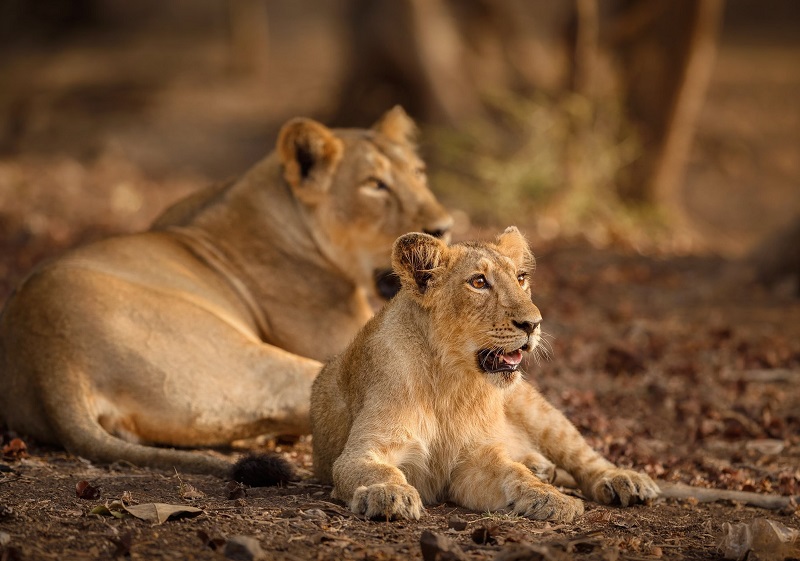
Gir National Park is famously known for its Asiatic Lions which are only a few left in India. According to an official count in 2010, there were about 411 Lions. Apart from that, it is also home to a wide range of fauna including 38 species of mammals, over 300 species of birds, and about 37 species of reptiles. Established in the year 1965, the park spread an area of 1412 sq km, hence it is also considered as one of the largest national parks in India. Some other popular wildlife species that you can spot here like Indian leopard, Nilgai, Jungle cats, chausingha, spotted deer, hyena, sambar deer, and chinkara.

As the park has a vast expanse of dense forest, it is an ideal location for trekking trails. One can also take a jeep safari here to explore its rich variety of flora and fauna. So one of the best tourist places to visit in Junagadh for the wildlife enthusiast that attracts lots of travelers all around the year.

Things to Do at Gir National Park: Trekking, Wildlife Photography, Jeep Safari and Spot Asiatic Lions

2. Girnar Hills

Girnar Hill is a combination of five hills that traced back to the time of the Vedas. The location also has the highest point in Gujarat known as Gorakhnath Peak which is perched at an altitude of 3670 feet above sea level. Further, it is also considered to be a religious place where you can find various Jain and Hindu temples. Located amid the Gir Forest, it is a nature lover paradise too as the whole area is surrounded by majestic natural beauty. Besides that, it is an ideal place for trekking, hence it attracts lots of adventure seekers in this region. Don’t forget to witness a famous fair that is held here during the Kartika Purnima in the month of November-December. So a must-visit tourist attraction in Junagadh from everyone’s points of view.

3. Uperkot Fort

Uperkot Fort is a famous historical monument which was built around 2300 years ago by Chandragupta. Due to its historical importance, it is one of the best places to visit in Junagadh for all history buffs. The fort also comprises relics from different stages of history including Hindu, Muslim, and Islamic influence. Further, the fort has three entrances that are connected through walls and hence it depicts the architectural brilliance of that time. One can also find a Buddhist cave, a step well, a tomb, and a mosque within the fort complex. There is also a 300-foot-deep moat inside the walls of the fort, which was once inhabited by crocodiles to protect the fort.

Things to Do at Uperkot Fort: Photography, Explore the rich past of Junagadh, Visit the Buddhist cave and mosque

4. Mohabbat Maqbara

Famous for its unique architectural style, Mohabbat Maqbara is a popular tourist attraction in Junagadh for the mausoleum. The construction of this site started in the year 1878 by Mahabat Khanji and was later completed in the year 1892 by the successor king of Bahadur Kanji. Further, the monument is a fine example of the Indo-Islamic and Gothic styles of architecture. With designed arches, elaborate stone carvings on the walls and windows, and silver-decorated portals, it is a perfect fusion of art and culture.

Things to Do at Mohabbat Maqbara: See the architectural brilliance of the Indo-Islamic and Gothic styles of architecture.

5. Damodar Kund

Situated on the foothills of Girnar Mountain, Damodar Kund is a holy water reservoir and one of the most popular pilgrimage centers in Junagadh. It is used to cremate dead bodies and the water is believed to have properties to dissolve bones. Further, the water body has many mythological stories that make it a very sacred site. The site is also surrounded by famous Jain temples increases the religious value of this place. Overall a famous spiritual tourist destination in Junagadh that every tourist has to visit at least once.

Things to Do at Damodar Kund: Take a bath in the holy water, Explore nearby temples, and Get some spirituality and peace

6. Darbar Hall Museum

If you want to explore the royal past of this beautiful city then Darbar Hall Museum is one of the best places to visit in Junagadh. Initially, it was a residential palace of the rulers of Junagadh and was later converted into a museum. The museum houses a wide collection of historical artifacts like silver chains, chandeliers, thrones, palanquins, weapons, armor howdahs, and costumes that were used by the Nawabs of Junagadh. Further, it is divided into different sections like a palanquin, arms gallery, picture gallery, and textile gallery. Moreover, it gives a beautiful insight into Junagadh’s rich past and culture.

Things to Do at Darbar Hall Museum: Explore the rich past of Junagadh and see a wide collection of historical artifacts and Photography.

So that’s all about places to visit in Junagadh that make it a perfect tourist destination in Gujarat. Due to its rich past and culture, it is a worth-visiting tourist spot for all kinds of history buffs. Moreover, exploring Gujarat Holiday Packages can enhance your experience, offering a comprehensive journey through the vibrant attractions of the region.

Of mountains, beauty and Gangtok

I always have had this fascination for the beautifully carved furniture that I often see in exhibitions. They come from Sikkim I have been told. Then there are the Lepcha weave bags and beautiful durries all of which attract my attention a lot. Completely decorated with intricate designs the entire idea of the decorative pieces from this part of India is always an area of curiosity for me.

So when I got a chance to go to Gangtok with my friends I didn’t leave it. I just grabbed the opportunity to visit Sikkim for the wedding of my friend’s daughter. This is where we also get lovely thanka you hangings and beautifully crafted Choktse tables. The bright masks with vibrant colors and the beauty of the decorative items are all a thing to be experienced.

Gangtok, in the state of Sikkim and the capital, is reached by the Bagdogra airport, which is around 124 km from this city. A drive of four hours would take you from the airport to the city of Gangtok. If you want to take a train then go to New Jalpaiguri which is around 125 km from this city. The city is also connected to Kalimpong, Siliguri, and Darjeeling by the NH31.

Gangtok literally means the “Lofty Hill”. This city is one with the best stories of prayers, invocations, and monasteries. This is where the Lamas are found invoking God with their prayers and the pagoda-roofed houses dot the entire region with an air of warmth and friendliness. And rightly so, as the locals here are extremely friendly and hospitable. Spice, silver, jewelry, silk, and any other item that would gladden a female would certainly lure any tourist to this part of the world. With Lukshyama Hill overlooking the city of Gangtok and the citadel of the magic Khang Chen Dzodnga overlooking the entire region, the city of Gangtok is a must-see spot for anyone touring India.

I got completely enchanted as I got into the city from the airport and I looked forward to days of fun and pleasure here. The marriage was over and the very next day I set out on my own to go around Gangtok. The enthralling scenic beauty takes a lot of time to seep into your psyche and the plethora of panoramic views coupled with the flamboyant nature of the surroundings completely left me mesmerized. I heard trumpet sounds and realized that the lamas were sounding them.

I went to the deer park here which lies next to the new secretariat. This is also known by the name of Rustomjee Park. Rustomji was one of the Dewans of the Sikkim Chogyal. The park has animals which are typical in Sikkim and the red panda and the Himalayan Bear are other examples. There is a big statue of Lord Buddha here which has been built in memory of the noble truths that have been preached by Buddha. There is a lamp which continuously burns in front of the statue and there are lovely flowers which dominate the area. There is a great view of the hills and the place completely relaxed my tired nerves.

Dro-Dul Chorten was the next place I went to. This was built and supervised by the Most Vulnerable Trulshik Rinpoche.

Then I went to the Government Institute of Cottage Industries. This was a great institute that is located in the main market of Gangtok. The main reason it was established was to promote the manufacture of handicrafts. People also wanted to sell them. Thankas or Thangkas and wooden tables with lovely carvings are found here. These wooden tables are known as Choksees and they really look beautiful. You also have beautifully woven carpets of wool. May students work here and produce cottage crafts. There are lovely textures and beautifully crafted designs. There is a lot of durability to these products and the appliqué work and the Batik designs are popular across the world. The hand-painted masks and the fantastically decorative lampstands, the bamboo craft and the esoteric masks, the lovely extravagantly embroidered brocades, and the beautiful boots are all a part of the tour here.

Then I went to the Kabi Longstok which lies just before Phodong. This is a lovely locale surrounded by trees and the brotherhood feeling between the Lepcha Chieftain and the Tibetan chief Khye Bhumsa was signed here.

The entire feeling of being in a mini paradise had quite enthralled me and then the sights at the Khangchendzonga National Park also was an added treat. As the climb got gradually higher, the snow and the pristine forests covered the entire area with a virgin look. The rocky terrain and the jagged landscape coupled with the intermittent sunlight completed my wish to be in heaven.

Then I went to the Kechoperi Lake and the Labrang Monastery, Lachung and the Pemayangtse Monastery, Phurchachu Reshi Hot Springs, and the Research Institute of Tibetology. A visit to the Rumtek Monastery and the Royal Chapel completed my travel to Gangtok.

Haridwar: The Gateway to the Gods

Haridwar or Hardwar as it is called is one of the holiest pilgrimage places of the Hindus. The holy city on the banks of the river Ganga falls under the Haridwar District in the north Indian state of Uttarakhand. One of the seven renowned holy places, Haridwar stands for the ‘Gateway to God’ since Hari stands for God and Dwar refers to the gate or door. The significance of the place is associated with Hindu Mythology. It is believed that after the Samudra Manthan (churning of the sea in which the elixir of immortality was retrieved) the heavenly nectar was carried away by the Garuda, a celestial bird belonging to the Preserver of the Universe, Lord Vishnu. Drops of it spilled over and fell at this place which came to be known as Haridwar. Three other sites where the nectar fell were Nashik, Allahabad, and Ujjain. All these four places are important pilgrimage places and also the site of the world-famous Kumbh Mela held at an interval every 12 years. Haridwar is also known by several other names like Gangadwar, Kapila, and Mayapuri and the district of Haridwar covers a total of 2360 kilometer square.

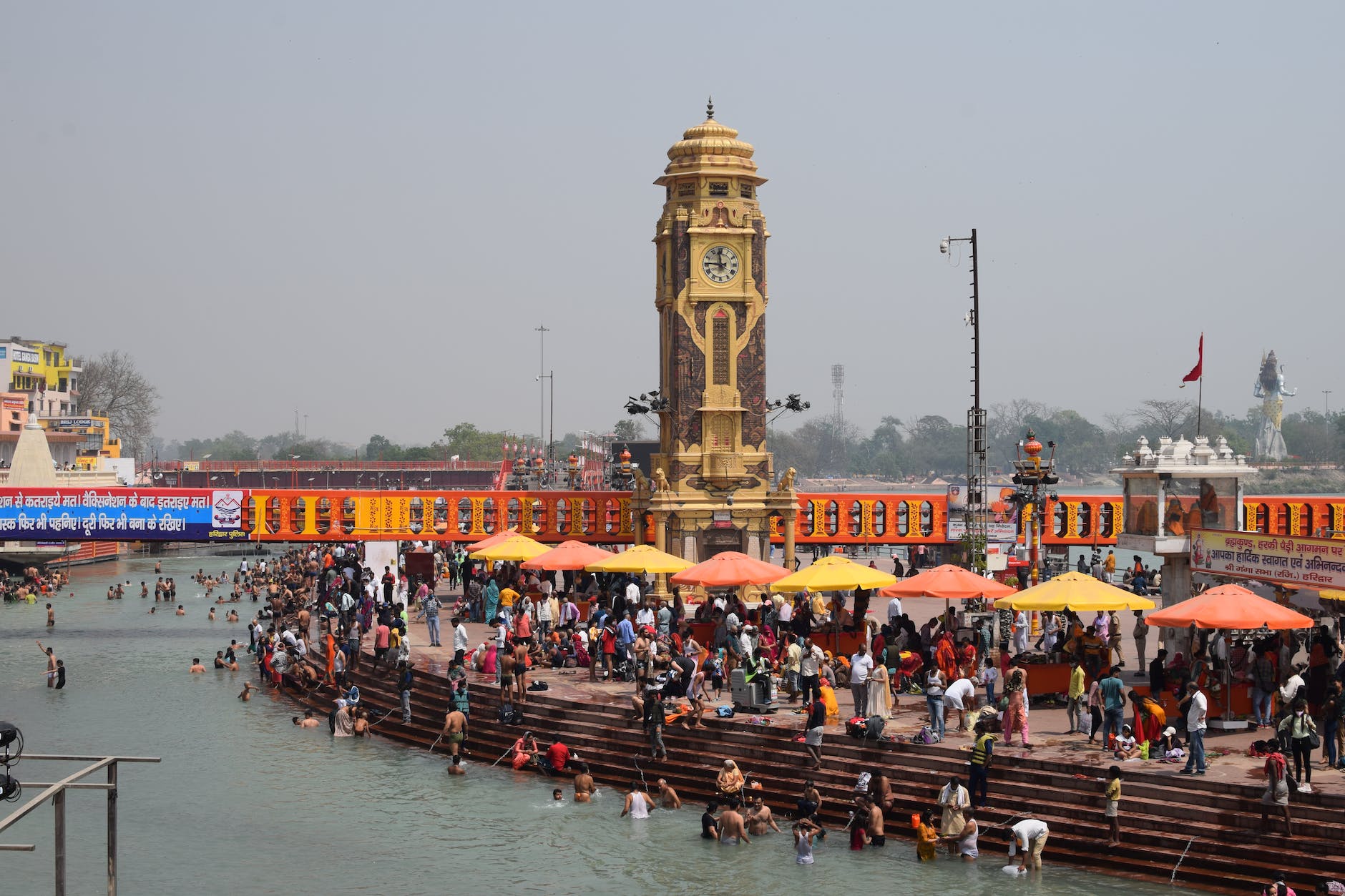
Har Ki Pauri

Har Ki Pauri
Photo by Dipanjan Ghosh on Pexels.com

In Haridwar, the place where the heavenly elixir fell, came to be known as Brahma Kund or Har-Ki-Pauri. The Har-Ki-Pauri is the most important Ghat (bathing place) and means “footsteps of the Lord”. The footsteps are noticeable on the upper parts of the Ghat and the river Ganga herself pays homage to it by washing it with her waves.

Haridwar has also been the seat of ancient culture, arts, and science. Secrets of Ayurvedic treatments and herbal remedies all lie here. One of the primary methods of ancient education, the Gurukul system has its origins in Haridwar. Haridwar is also one of the first points from where the river Ganga descends to start her journey towards the plains.

If Haridwar is the gateway to the Almighty, then the path to attain salvation also lies here. It is the perfect place to get away from all the daily drudgery, mundane human life, and the heaviness of the soul. This is the place to get relief from it all to get a new life.

Hotels in Haridwar

The very sight of the Ganga River and some moments by the Har-Ki-Pauri keeps your mind to rest. The soul becomes pure, the heart full of bliss. The calm and pure surroundings make you feel comfortable and a true wanderer’s heart may yearn for a night under the starlit sky. However, a shelter is always needed and tourists visiting the Haridwar will come across quite a good number of them. Haridwar is a developed town and so star-category hotels here are no longer a dream. Luxury Hotels in Haridwar even if few can be found, three-star hotels are quite a handful and for the budget traveler, many government-approved hotels are present. Standard accommodations, good food, timely services, and urban comforts all lead to total guest satisfaction.

Among the best-known luxury or branded hotels in Haridwar, there is the Country Inn and Suites. A luxury hotel built by the Carlson Group, this hotel provides you with all five-star comforts. Located close to the airport, the main highlight of the hotel is its multi-cuisine restaurant named Mosaic other than superbly furnished rooms with all modern amenities. Other than this, tourists can look out for the Haveli Hari Ganga near the Ram Ghat and Ginger Hotel.

Among the three-star hotels in Haridwar, there is the Hotel Classic Residency, Sagar Ganga Resort, Alpana Hotel, Park View Hotel, Bhaj Govindam Hotel, and Hotel Teerth.

For budget accommodation, the Shri Ram Sharnam Ashram near the Sapt Sarovar Marg and the Hotel Ganga Azure near the Railway Road are the best picks.

How to Reach Haridwar

The holy city of Haridwar is believed to be the Gateway to the Lord. The name stands true to itself as this is the place that devotees visit almost all year round for a holy dip in the Ganga and to gain salvation for their worldly deeds. Haridwar is also the starting point to reach Devbhoomi and the Char Dham Yatra – the four other pilgrimage places in Uttarakhand namely Kedarnath, Badrinath, Gangotri, and Yamunotri. To reach this place is easy as the road; rail and air networks are widely developed.

Haridwar is convenient to reach from the capital city of Delhi. Delhi is situated at a distance of 200 kilometers from Haridwar.

The nearest airport to Haridwar is Dehradun’s Jolly Grant Airport. Situated 20 kilometers away from Haridwar, the airport handles domestic flights. Air Deccan operates twice daily service to Delhi from this airport.

Availing of a train is much more convenient, cheap, and easy. Several good express trains are available from Delhi to Haridwar. The frequent ones are the Shatabdi Express and the Rajdhani Express. Trains are also available from Dehradun. The railhead is situated in the southern part of the town.

Tourists can also avail of a bus to reach Haridwar. A good number of bus run between Haridwar and Rishikesh and Delhi.

What To See In Haridwar

Haridwar is a place where the twain between the mind and soul comes to an end. It is a mirror in which the Indian culture gets reflected. The charm of Haridwar does not end with it being only a holy place but in recent times, Haridwar has emerged as a prominent tourist destination. With a good number of sightseeing places, a holiday in the abode of the Lord will simply be blissful.

Maya Devi Temple

The most notable attraction in Haridwar is the Har-Ki-Pauri. This well-known Ghat which has the footsteps of the lord was built by King Vikramaditya in the memory of his beloved brother Bharthari. The special attraction here is the evening prayer attended by thousands of devotees. The scene of the Aarti being performed with hymns filling up the air and little oil lamps floating on the rippling waters of the Ganga is simply enchanting.

Daksha Mahadev Temple

Haridwar can also be nicknamed a city of Temples. Several temples are found in Haridwar, notable for the architecture and the legend behind them. Some of them are the Maya Devi Temple, Daksha Mahadev Temple, and Chandi Devi Temple on Neel Parvat. This temple was built by the Raja of Kashmir, Suchat Singh in the year 1929 A.D. Two more temples attract the attention of the tourists. One is the Mansa Devi Temple on the Bilwa Parvat and the other Doodhadhari Barfani Temple dedicated to Lord Ram and his wife Goddess Sita. The entire temple complex is believed to be made out of marble.

Gurukul Kangri University

Situated 20 kilometers away from Haridwar is the pious Dargah of Alauddin Sabir Kaliyari Ali Ahmed ‘Sabir’. Built by Ibrahim Lodi, this place attracts crowds during the Urs festival. The place is named Piran Kaliyar.

Other notable attractions in Haridwar include the Bhimgoda Tank, Sati Kund, Jairam Ashram, Sapt Rishi Ashram and Sapt Sarovar, Parad Shivling, Anandamayi Ma Ashram, Gurukul Kangri University founded by Swami Shraddhanand and Pawan Dham.

For bird lovers and wildlife enthusiasts, a visit to the Neel Dhara Pakshi Vihar and the Rajaji National Park is a must. For shoppers, Jwalapur, the local shopping destination demands a ritualistic visit.

Top 10 Places To Visit In Udaipur: The City Of Lakes

A great story about the top 10 places to visit in Udaipur: the city of lakes, Read about the things to do in Udaipur for a perfect travel experience.

A visit to Udaipur is indeed an exhilarating and charming experience. The City of Lakes, Udaipur is also known as the “Venice of the East” and is one of the marvels Rajasthan has to offer. It has a rich cultural background and heritage. The palaces reflect the history of Rajasthan and the architectural grandeur of the era of Rajputs. The scenic landscape will touch your soul and leave you wanting more.

Best Places To Visit In Udaipur

The city of Udaipur houses several unique attractions, but the following is a list of the top 10 places in Udaipur you must visit.

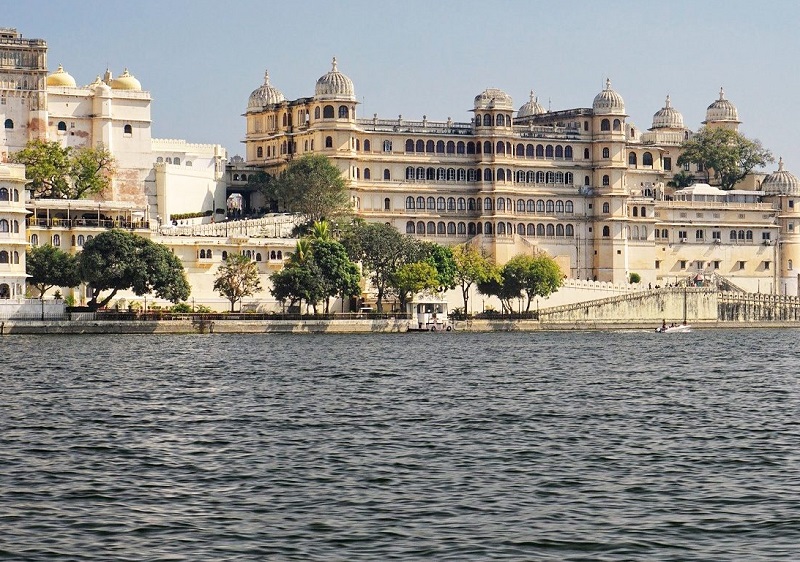
1. City Palace

City Palace, Udaipur

Built in the year 1559 by Maharana Udai Mirza Singh, this is the first place you should visit once you reach Udaipur. It is located on the banks of Lake Pichola and is an exemplary example of European, Medieval and Chinese architectural styles. It consists of 11 palaces in total and the size of the entire place is magnificent with all the terraces, courtyards, hanging gardens, pavilions, and more.

After taking a tour of the palace, you should visit the City Palace Museum and then enjoy the picturesque view of Lake Pichola.

  • Timings: 9:30 am to 5:30 pm
  • Tickets: INR 30 (for adults) and INR 15 (for children)
  • Visit Duration: 1 to 2 hours

2. Lake Pichola

Lake Pichola, Udaipur

A man-made lake, measuring around 4 km in length and 3 km in width, Lake Pichola is a wonder of Udaipur. It was developed in 1362 AD and remains surrounded by magnanimous palaces, Huge Hills, Temples, Ghats, etc. The islands of Lake Pichola house several tourist attractions. The sunset views are picturesque and the boat cruise will provide beautiful views of the town and the palaces.

  • Timings: Open till sunset (every day)
  • Ticket: Boat ride- INR 340 (for adults), INR 170 (for children)
  • Visit Duration: 1 to 2 hours

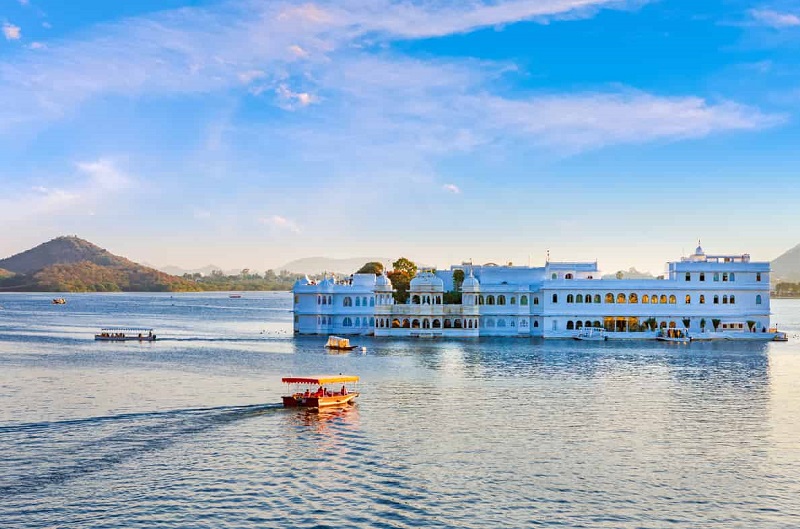
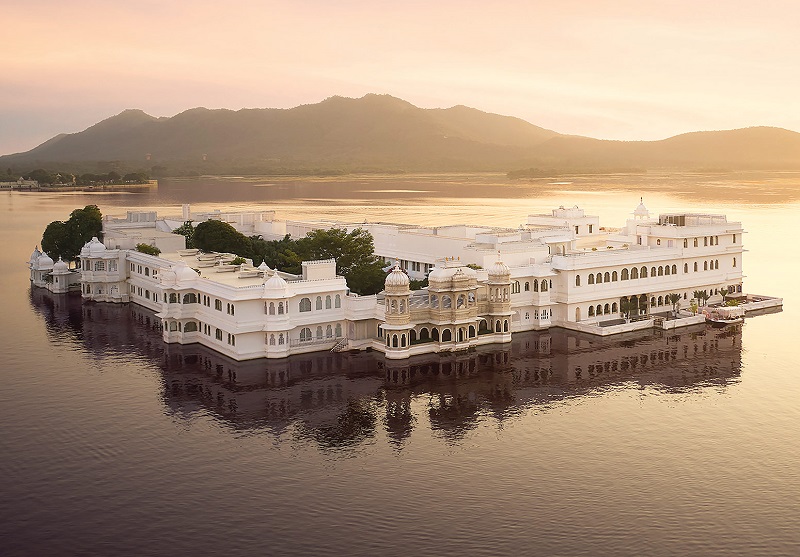
3. Lake Palace

Lake Palace, Udaipur

Lake Palace has become a symbol of Udaipur tourism and also a famous wedding destination. Also known as Jag Niwas, the palace is an architectural marvel. Located on the island of Jag Niwas in Lake Pichola, it was built back in 1746 by Maharana Jagat Singh II and was later converted into a luxury hotel. This location has been shown in several Bollywood and Hollywood movies.

  • Timings: Open every day
  • Ticket: Museum Tour- INR 75, Gallery tour- INR 500, Boat ride- INR 450
  • Visit Duration: 1 to 2 hours

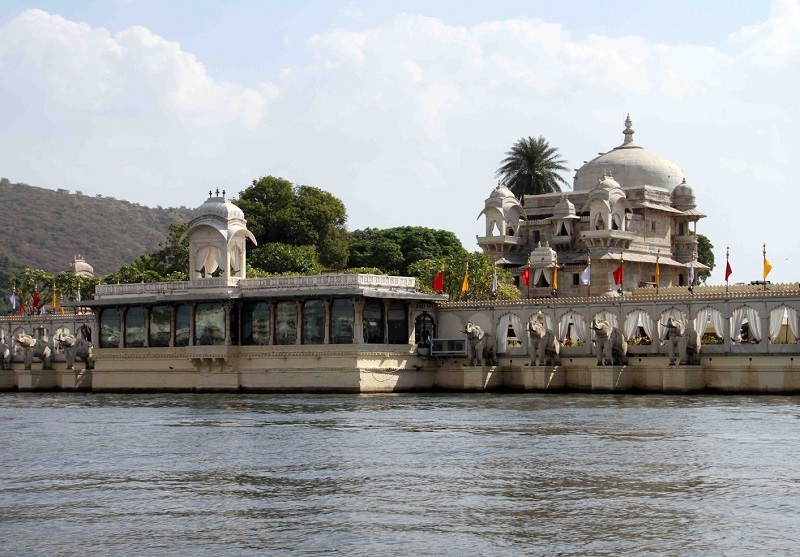
4. Lake Garden Palace (Jagmandir)

Lake Garden Palace

Jagmandir Lake Garden Palace is said to have been an inspiration for the Taj Mahal as Shah Jahan took refuge here when he was young. The palace has a vast history and serves as a symbol of friendship between the Mughals and Rajputs. Many impressive structures give the palace a regal feel and a delight to any visitor.

  • Timings: Open every day
  • Ticket: 30-minute boat ride- INR 225 (for adults), INR 115 (for children); 1-hour boat ride- INR 325 (for adults), INR 115 (for children)
  • Visit Duration: 1 to 2 hours

5. Vintage Car Museum

Vintage Car Museum

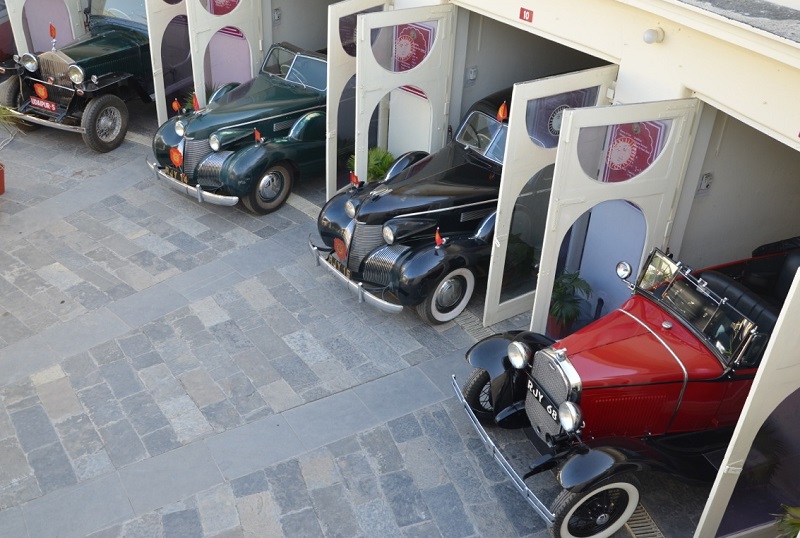
If you are a motor enthusiast, then you simply cannot miss visiting The Royal Vintage Car Museum. The place was inaugurated back in February 2000 and ever since has become extremely popular as a tourist destination. It houses several famous vintage cars such as the 1934 Rolls-Royce Phantom that was featured in the Bond film Octopussy, many other rare Rolls-Royce models, and more.

  • Timings: 9:00 am to 9:00 pm
  • Ticket: INR 250 (for adults), INR 150 (for children)
  • Visit Duration: 45 min.

6. Bagore Ki Haveli

Bagore Ki Haveli, Udaipur

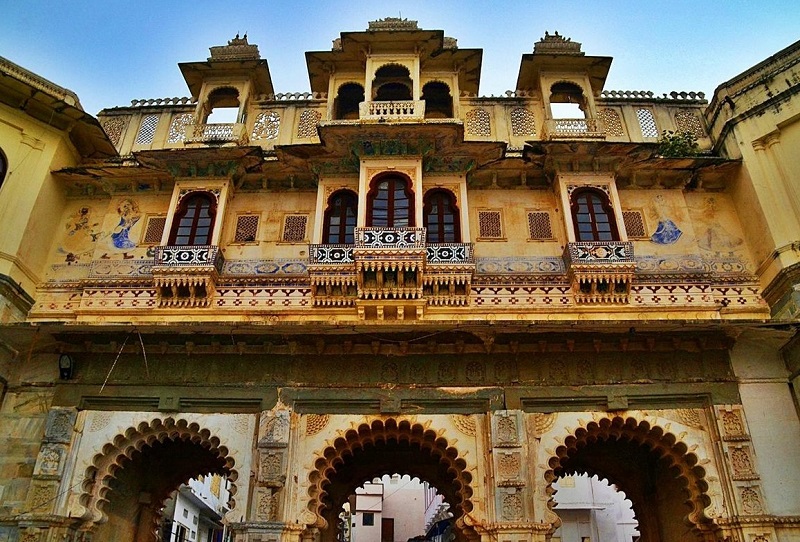
Located near Pichola Lake, this 19th-century marvel was built in 1878 by Amir Chand Bandwa, CM of the Royal Court of Mewar. This palace was transformed into a museum and retains the royal touch. The museum houses the culture of Mewar in the form of antiques. The museum also has jewelry, hand fans, vessels, boxes, etc. used by the Rajputs. The building has more than 100 rooms and a splendid look due to its unique architectural style. You can also enjoy the shows conducted there in the evenings.

  • Timings: 10:00 am to 6:30 pm
  • Ticket: INR 60 + INR 100 (additional charges for the camera)
  • Visit Duration: 1 to 2 hours

7. Saheliyon Ki Bari

Saheliyon Ki Bari, Udaipur

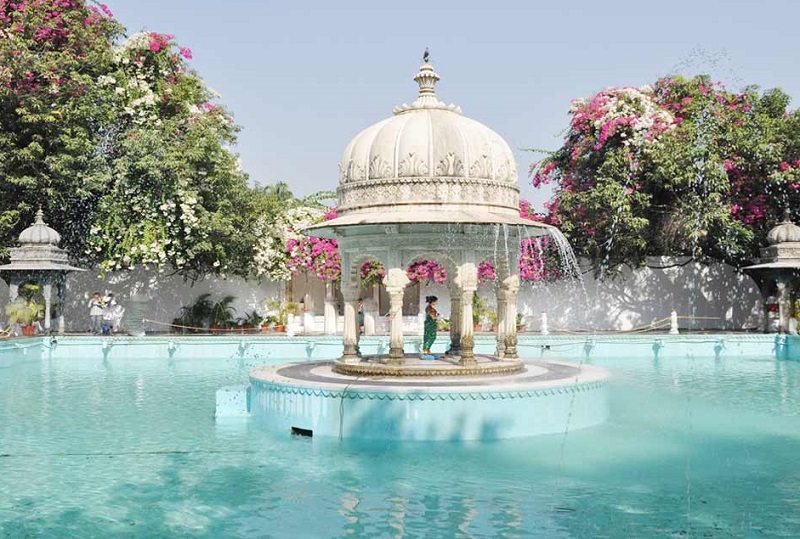
This place was built by Sangram Singh II as a gift to his queen and her maids, hence the name “Saheliyon Ki Bari” (the Garden of Companions). It is indeed a mesmerizing and beautiful place designed by the king himself. It was a relaxing spot where the queen would rest with her 48 maids. The garden still serves as a relaxed place and people often come here.

  • Timings: 8:00 am to 8:00 pm
  • Ticket: INR 10 (for Indians) and INR 50 (for foreigners)
  • Visit Duration: 45 min.

8. Jagdish Temple

Jagdish Temple

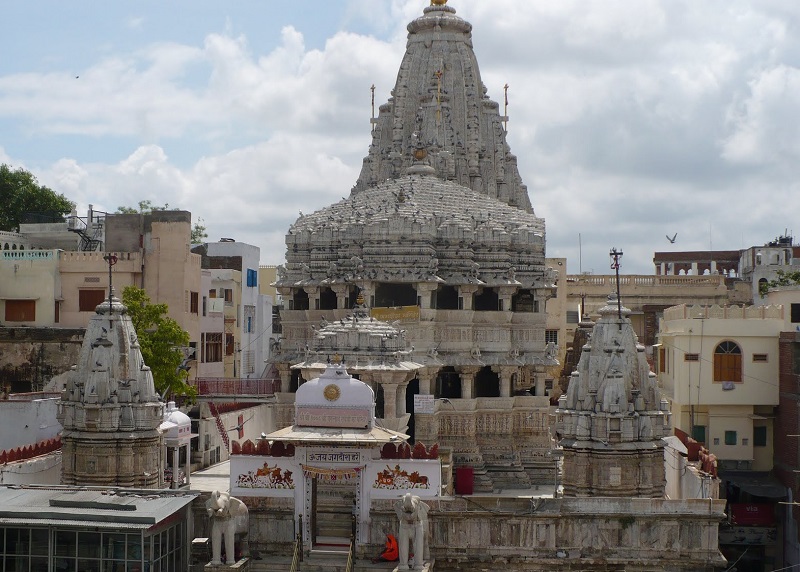
This is the largest temple of Udaipur and was built back in 1651. This Indo-Aryan architectural marvel costs around INR 1.5 million. It is dedicated to the god Vishnu but shelters other shrines as well, such as those of Lord Shiva, Goddess Shakti, the Sun God, and Ganesh. The temple has beautiful wall carvings, sculptures of elephants, and stunning architecture.

  • Timings: 4:15 am to 1:00 pm, 5:15 pm to 8:00 pm
  • Ticket: No entry fee
  • Visit Duration: 45 min.

9. Sajjangarh Palace

Sajjangarh Palace

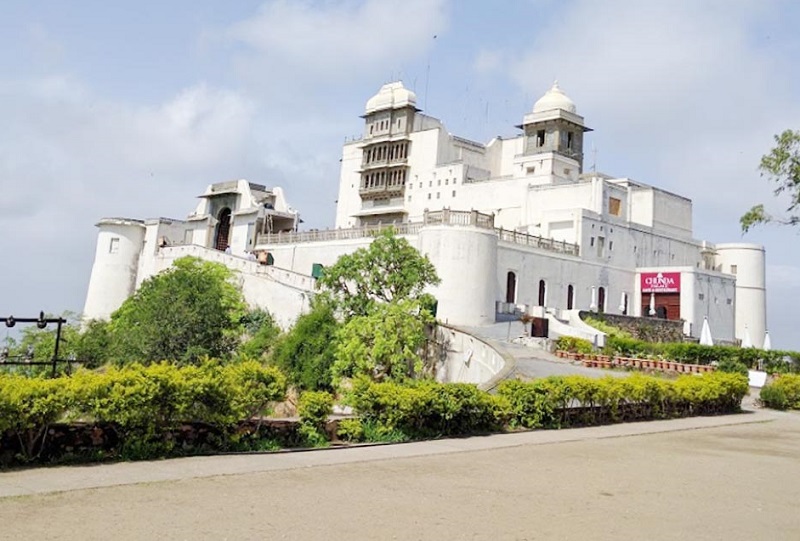
Also known as The Monsoon Palace, the Sajjangarh Palace is located on top of a hill and provides picturesque views of the Fateh Sagar Lake. Surrounding the palace is the Sajjangarh Wildlife Sanctuary. The castle is straight out of a fairytale. It is an example of the opulence of the rulers of the Rajput era. The castle was built by Maharana Sajjan Singh in 1884, for the sole purpose of watching monsoon clouds. This palace should be on your list for its outstanding lakes, palaces, and mountains.

  • Timings: 8:00 am to 6:00 pm
  • Ticket: INR 10 (for Indians). INR 80 (for foreign nationals)

10. Moti Magri

Moti Magri, Udaipur

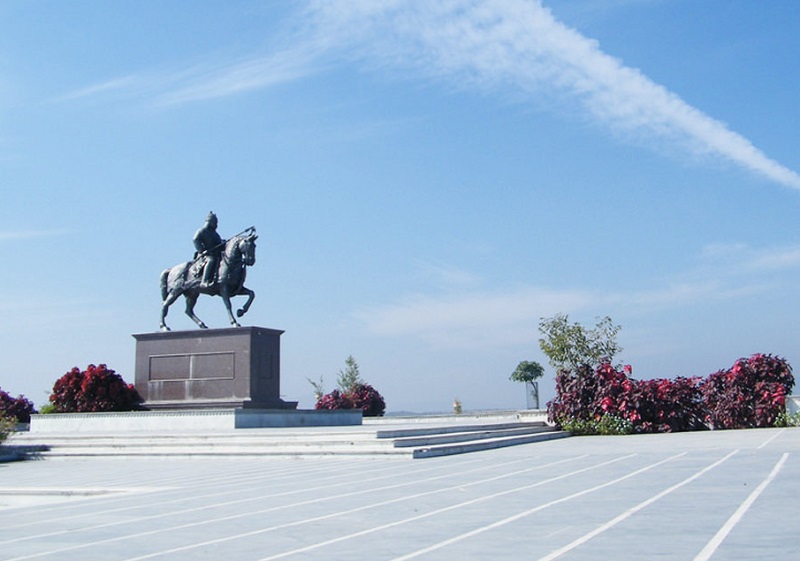
This is the perfect tribute to the grandeur of Maharana Pratap and his dear horse, Chetak. It is located on a hilltop and overlooks the Fateh Sagar Lake. Just on top of the Moti Magri, is the lifelike statue of the most celebrated ruler of Udaipur, Maharana Pratap, and his horse Chetak. Nearby lie a Japanese rock garden and the remnants of an old fort.

  • Timings: 9:00 am to 6:00 pm
  • Ticket: INR 20
  • Visit Duration: 0.5 to 1 hour

A Ride through Keoladeo National Park in India

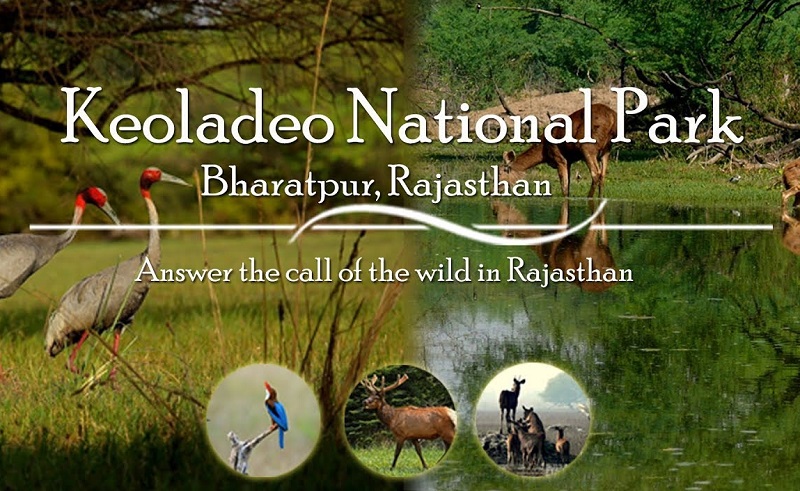
While most people consider the Taj Mahal to be the highlight of their experience in northern India, one of the best mornings I had by far was spent at the Keoladeo National Park in Bharatpur, Rajasthan. Declared a World Heritage Site by UNESCO, this manmade park is one of the richest bird areas in the world, boasting no fewer than 366 species of birds, 379 species of plants, 50 species of fish, 13 species of snakes, seven species of amphibians and five species of lizard.

Visiting Keoladeo National Park In Rajasthan

Keoladeo National Park

We started our visit early in the morning when the park first opened – this was when the air was coolest and most of the animals within Keoladeo National Park were just getting up and about. As our guide wandered off to rent himself a bike, we were taken over to a rickshaw which would be our form of transport for the rest of the day.

A Parakeet Hanging Upside-Down From A Tree

We did want to cycle around ourselves – after being in India for about ten days at this point, we’d had enough of everyone doing everything for us! – but since temperatures were set to peak into the mid-40s that day, our guide seriously advised against it.

Our Guide And Rickshaw Driver Both Pointed Out All Sorts Of Exotic Wildlife

We started the tour being led under the partially shady tree canopy, over a very uneven, rocky surface. Our guide pointed out all kinds of birds along the way, some of which live permanently in Keoladeo National Park and others which only visit for brief times during migration periods.

A Sambar Deer Hiding In The Trees

We saw many different species of birds across a wide range of colors and sizes – including parakeets, storks, owls, and peacocks which, unfortunately, were not up for giving us much of a show that day. But the fauna we saw during our trip wasn’t just limited to birds – the park is also home to 27 different species of mammals, only a few of which we saw.

A Wild Boar Mother Grazing With Its Young

Wild boar mothers with their young, loads of sambar deer clustered together and the odd porcupine were some of the most interesting creatures we spotted, but the highlight of our day was definitely when we ventured right into the center of Keoladeo National Park.

A Local Feeding Catfish And Soft-Shelled Turtles

There are several large lakes and ponds speckled throughout the Keoladeo National Park, one of which is the residing spot of many catfish and soft-shelled turtles. Since there isn’t much in the way of natural sources of food for these animals to gorge on, some of the locals take it upon themselves to take care of the animals and feed them – we were lucky enough to see the feeding process in action.

A Curious Monkey Watching The Catfish And Turtles Being Fed

It’s at this same point in the park where we found massive tribes of monkeys all living together. Just like the locals take care of the carp and turtles, they also feed the monkeys in the same place, which is why they were all gathered here. Except for witnessing a few rough fights over the best bits of food, watching the monkeys behave completely in their natural habitat was beyond amazing. Watching how the mothers take care of their young was truly touching.

A Young Monkey Riding On Her Mother’s Back

If you ever sign up for a Golden Triangle Tour in North India, a morning at the Keoladeo National Park in Rajasthan is worth it. Most tour companies offer this trip as an optional added extra and don’t promote it as being as spectacular as it is – now you know better! You can stay in wonderful top-quality hotels in India for the entire duration of your tour for remarkably low prices, which makes visiting the incredible country for an adventurous, yet still completely comfortable, holiday even easier.

Best Places to Visit in Kashmir

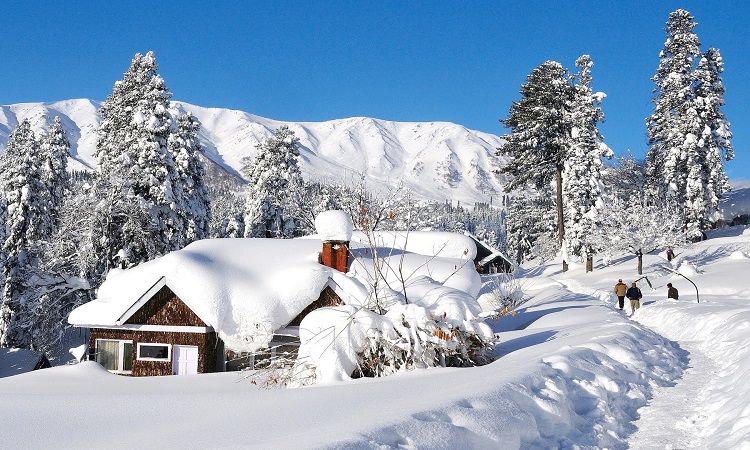
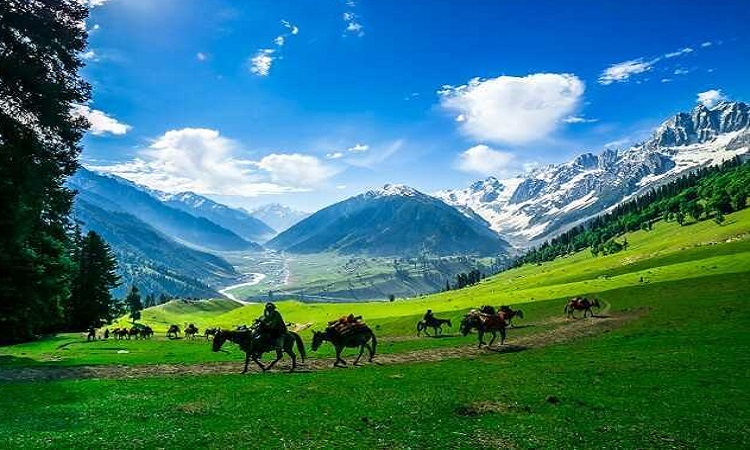
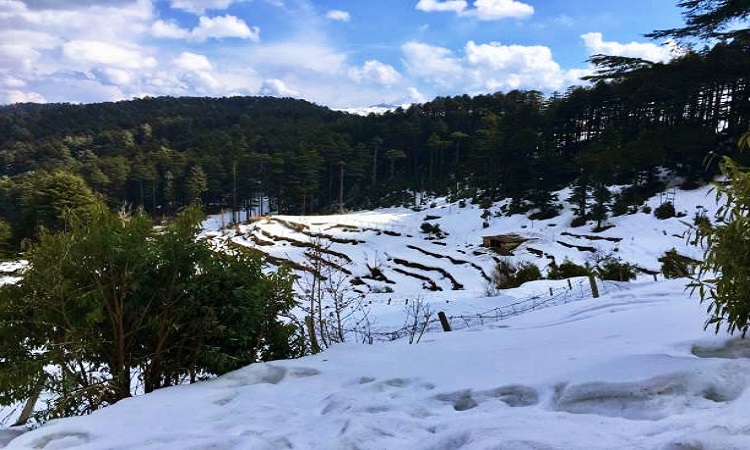
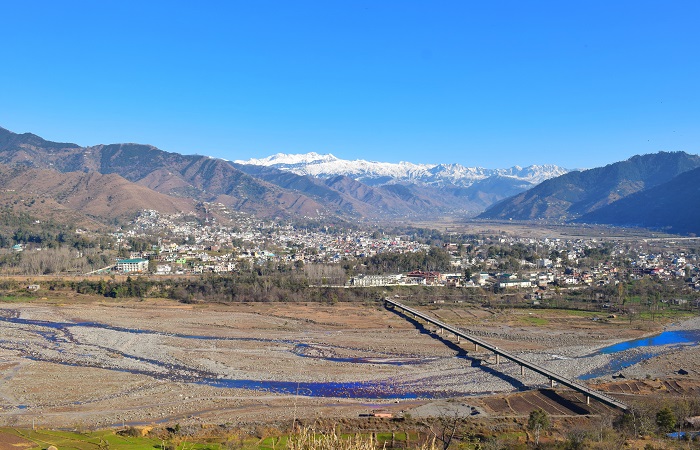
Kashmir is the most beautiful land you will come across. With a lot of snowy mountains, lush greenery, and several romantic spots, every aspect of Kashmir is breathtaking. Traveling alone or with a buddy, make sure the following places are included in your tour package for Kashmir.

List Of 8 Best Places to Visit in Kashmir

1. Srinagar

Srinagar

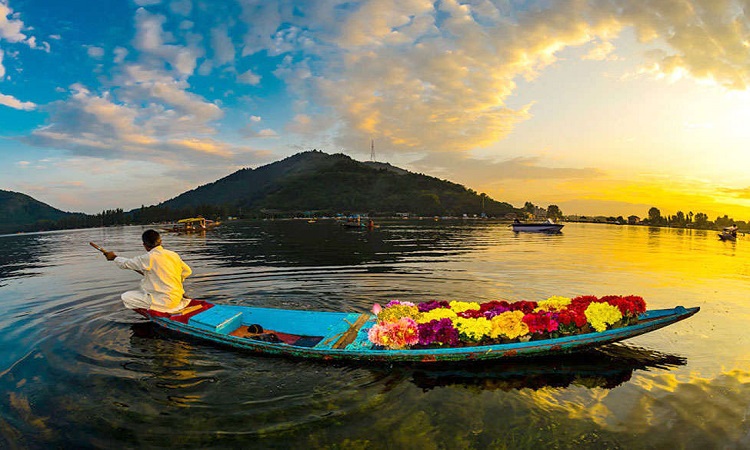
The beautiful land of Srinagar witnesses huge footfall at all times of the year, especially in the summers. There are beautiful Mughal Gardens, houseboats on the majestic Dal Lake that make Srinagar look exactly like a dream come true, apple orchards, and various other places that you can visit. Go for a Shikara ride and hear the Char Chinar, situated in the exact middle of the Dal Lake, hum glorious myths. Have a tour of the Dachigam National Reserve, visit the Shankaracharya Temple, and sit on the banks of River Jhelum.

Besides all this, you might also want to visit the Indira Gandhi Tulip Garden, Nishat Bagh, Chashme Shahi Garden, and the Badamwari Garden.

2. Gulmarg

Gulmarg

British officers visited this place in summer during the British rule in India. It is surrounded by stunning peaks of the Himalayas, breathtaking landscapes, beautiful gardens, and serene lakes, and has a pleasant climate during the summers. It is a spectacular picnic spot, for all kinds of tourists. It used to be a pleasure resort for kings and royal family members.

It is now a popular ski destination. Visit the Indian Institute of Skiing and Mountaineering, where you can pre-book your adventure. Take a ride in the world’s second-highest cable car, the Gulmarg Gondola, giving you ravishing views of Gulmarg and Khilanmarg. Take a look at the religious shrines of Imambara Goom, St. Mary’s Church, and the Maharani Temple.

This place can be visited all year round. It will continue to surprise you with its awe-struck beauty. Visit with your loved ones and enjoy this peaceful environment.

3. Sonamarg

Sonamarg

“Meadow of Gold”, another name for Sonamarg, is visited by thousands every year. Jammu and Kashmir are home to this place, with snow-laden fields, majestic glaciers, serene lakes, and exquisite waterfalls. Some of the famous nearby places that you can visit include Zoji La Pass, Yusmarg, the Glaciers of Thajiwas, and Baltal. Interested people can go for trout fishing and mahseer fishing at Sindh River. You could also try sledding at the frozen glaciers. For trekking, the routes to the lake of Krishnasar, Gangabal, and Vishansar are the best.

People tend to visit Sonamarg between April and June. Otherwise, May to September and November to February are also considered good times to give this place a visit.

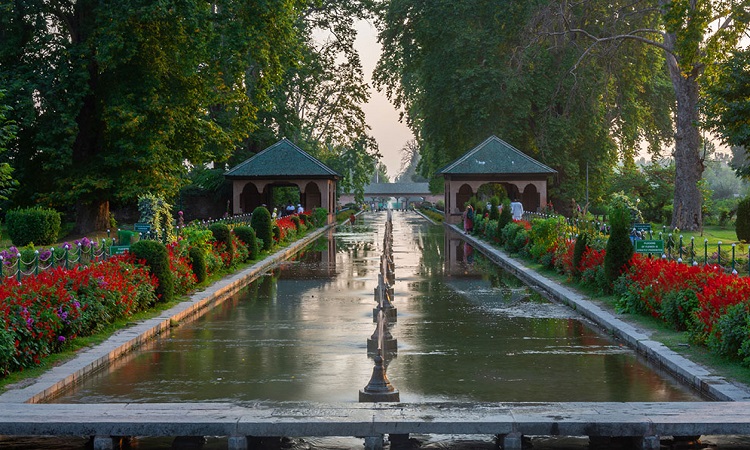
4. Shalimar Garden

Shalimar Garden

Situated on the shores of the beautiful Dal Lake, this is the largest Mughal Garden in the Kashmir valley. It is also widely known as the ‘house of love’, and was originally named ‘Farah Baksh’. It was built by Emperor Jahangir, for his beloved wife Nur Jahan in 1619 A.D. This majestic garden is designed with expansive terrace lawns, fountain pools, and flower beds, combined with the mighty Chinar trees and pavilions. Autumn and Spring seasons bring out the beauty of this place as the Chinar trees change their color from green to orange.

For those visiting, the Garden is open on all the days of the week except Friday, from 9:00 am to 7:00 pm.

5. Patnitop

Patnitop

The most preferred destination for newlyweds, Patnitop has great restaurants, abundant wineries, shopping malls, hiking spots, and gorgeous countryside. With endless views of the snow-capped peaks of the Himalayas, this is the perfect place to experience nature at its best. Again, being one of the most popular destinations in Kashmir, this place witnesses a huge amount of footfall throughout the year. Take a break with your partner and experience this breathtaking city.

6. Vaishno Devi

Vaishno Devi

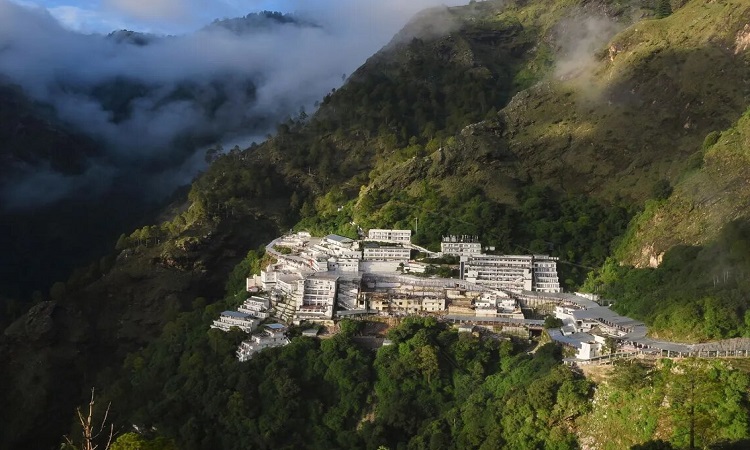
Home to the famous Vaishno Devi Mandir, the renowned shrine plays host to countless people throughout the year. People prefer to trek the whole way. Some take horseback rides or helicopter rides. The 13km uphill journey takes about 6 to 9 hours, depending on how fast you climb and if the weather is on your side. The whole way, you see a lot of shops selling snacks, delicious meals, and other knick-knacks. Upon reaching, people do the Darshan. Some return, while others continue their trek to Bhairav Mandir.

7. Poonch

Poonch

Another relaxing place, this is also sometimes known as “Mini Kashmir”. It has many historical monuments for you to visit. People also go to Noori Chamb, where you get to witness a beautiful waterfall along with other attraction points. The alluring Girgan Dhok or the “Valley of Seven Lakes” is also situated nearby and is the penultimate destination for you and your travel buddies.

8. Dachigam National Park

Dachigam National Park

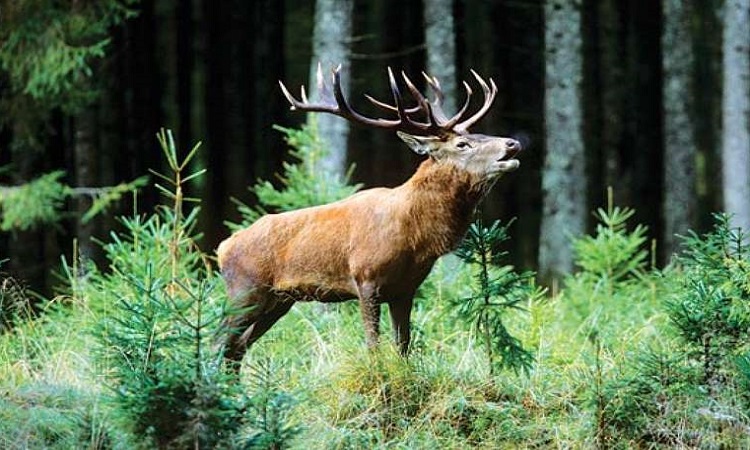
This park was built in memory of the ten village communities that had to relocate so that this place could be built. Considered as a national treasure, it is as beautiful as it can get. Relax with your partner or your family in this beautiful environment, surrounded by beautiful plants and majestic animals.

From the Himalayan Grey Langur to the rare Himalayan Brown Bear, the Pygmy Owlets, and the leopards, you will not be disappointed. This nature haven is the perfect place to visit before you go back home.

Things to Do In Amarnath

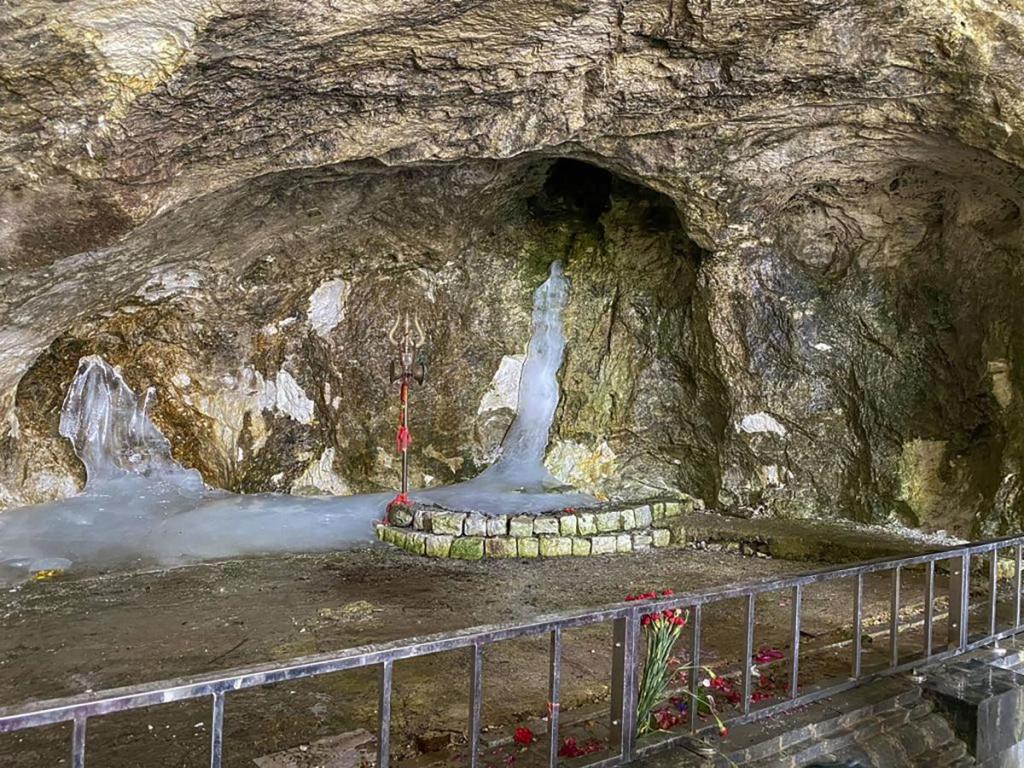
Amarnath, a holy site in the Indian state of Jammu and Kashmir, is one of the most important pilgrimage destinations for Hindus. The Amarnath cave, located 3,888 metres above sea level, is thought to be the location where Lord Shiva revealed the secret of immortality to his wife Parvati. The cave is well-known for its naturally formed ice stalagmite, which is thought to represent the Hindu God Shiva. Pilgrims must complete a difficult trek to reach the cave, which usually begins in the towns of Pahalgam or Baltal. The journey takes them through breathtaking scenery, including snow-capped mountains, gleaming glaciers, and pristine valleys. Aside from the pilgrimage, there are many other things to do in Amarnath, such as exploring nearby towns and villages, visiting ancient temples, and participating in adventure activities like hiking and skiing, to book with Amarnath Yatra Packages and sail for this adventurous divine journey this vacation.

amarnath

Exploring In and Around Amarnath

Hike to Amarnath Cave

The main reason people visit Amarnath is for the Amarnath Yatra, or pilgrimage to the Amarnath cave. The journey to the cave is difficult and takes four to five days to complete. The trek begins in Pahalgam or Baltal, and pilgrims must travel approximately 46 kilometers to reach the cave. The journey takes them through some of the Himalayas’ most beautiful landscapes, including snow-capped mountains, gleaming glaciers, and pristine valleys. The trek is physically demanding, and it is best attempted with prior trekking experience. The breathtaking views and spiritual significance of the cave, on the other hand, make it a once-in-a-lifetime experience.

Explore the Nearby Towns and Villages

The Amarnath region is surrounded by several picturesque towns and villages worth visiting. Pahalgam, the base camp for the Amarnath Yatra, is one such town. Pahalgam is well-known for its scenic beauty and is also known as the ‘Valley of Shepherds.’ The town is surrounded by dense green forests, sparkling streams, and snow-capped mountains. Hiking, skiing, and white water rafting are among the adventure activities available in Pahalgam. Sonamarg, also known as the “Golden Meadow,” is another town worth visiting. The town is situated at an elevation of 2,740 metres above sea level, surrounded by snow-capped mountains and dense forests. Sonamarg is an excellent trekking destination, with several scenic trekking trails surrounding the town. The Thajiwas Glacier is also nearby and a popular tourist destination.

Explore the Ancient Temples

Several ancient temples worth exploring can be found in the Amarnath region. The Shankaracharya Temple in Srinagar is one such temple dedicated to Lord Shiva. The temple is perched on a hill and provides breathtaking views of the city. The temple is thought to have been built in the 9th century by the famous philosopher Shankaracharya. Another temple worth seeing is Ganderbal Kheer Bhawani Temple, which is dedicated to the Hindu goddess Ragnya Devi. The temple is situated on the banks of the Kheer Bhawani River, surrounded by verdant green forests. The spring at the temple is famous for changing colours depending on the goddess’s mood.

Participate in Adventure Activities

Aside from pilgrimage, the Amarnath region is an excellent location for adventure activities. There are several trekking trails in the area that provide stunning views of the Himalayas. The Tarsar Marsar Trek and the Great Lakes Trek are two of the region’s most popular treks. Skiing is another popular adventure activity in the area, and there are several ski resorts nearby that provide excellent skiing opportunities. Gulmarg’s ski season typically begins in December and lasts until March. White water rafting is another popular activity in the area, with the Lidder River in Pahalgam providing some of the best rafting opportunities. The rafting season typically begins in April and lasts until August.

Participate in The Amarnath Yatra festival

The Amarnath Yatra festival is one of the most important festivals in the Hindu calendar, and it takes place every year from June to August. Thousands of pilgrims from all over India attend the festival to commemorate the discovery of the Amarnath cave. The festival is a vibrant affair, with a variety of performers.

Best Season to Visit

The summer months of June to August are ideal for visiting Amarnath because the weather is pleasant and the Amarnath Yatra is held. The temperature during this period ranges from 10 to 25 degrees Celsius, making it ideal for trekking and other outdoor activities.

During this time, the Amarnath Yatra takes place, providing pilgrims with an excellent opportunity to visit the Amarnath cave and pay their respects to Lord Shiva. The cave is only open to visitors for a limited time each year, and visitors can only enter the cave during the yatra. Thousands of pilgrims from all over India attend the yatra, which is a colourful and vibrant event.

The summer months are also ideal for exploring nearby towns and villages and participating in adventure activities. The weather is ideal for hiking, skiing, and white water rafting, and there are several trekking trails throughout the region that provide stunning views of the Himalayas.

However, keep in mind that the weather in the region can be unpredictable, and there may be landslides and roadblocks due to heavy rainfall on occasion. It is recommended that you check the weather forecast and plan your trip accordingly.

How To Reach

Amarnath is a remote destination in the Himalayas, and getting there can be difficult. Visitors to Amarnath, on the other hand, have several options for getting there, including by road, rail, and air.

By Road:

The most common way to get to Amarnath is by car. From Srinagar, which is well-connected to other major cities in India, visitors can hire a taxi or take a bus. The journey from Srinagar to Pahalgam, the Amarnath Yatra’s base camp, takes about 2-3 hours. Visitors must trek from Pahalgam to the Amarnath cave.

By Rail:

Jammu Tawi railway station is the closest to Amarnath and is well-connected to other major cities in India. Visitors can take a taxi or bus from Jammu Tawi to Srinagar, and then drive to Pahalgam. It takes approximately 12 hours to travel from Jammu Tawi to Srinagar.

By Air:

The Srinagar International Airport is the closest airport to Amarnath and is well-connected to other major cities in India. Visitors can reach Pahalgam by taxi or bus from the airport. The drive from Srinagar to Pahalgam takes approximately 2-3 hours.

After arriving in Pahalgam, visitors must embark on a 46-kilometer trek to reach the Amarnath cave. The trek is physically demanding, and it is best attempted with prior trekking experience. However, there are a number of support services available along the way, such as ponies, porters, and helicopters, that can make the journey more bearable. Amarnath can be reached by road, rail, or air, among other modes of transportation. The journey to the Amarnath cave, on the other hand, is difficult and physically demanding, and visitors should be prepared accordingly.

Essentials

Visiting the Amarnath cave is both a physically and spiritually challenging experience. However, certain guidelines must be followed to ensure a safe and comfortable journey. Here are some general guidelines for visiting Amarnath:

Registration:

Before embarking on the Amarnath Yatra, all visitors must register. Registration is required and can be completed online or at designated registration counters.

Fitness:

The trek to the Amarnath cave is 46 kilometers long and can be physically demanding. Visitors must be physically fit and have previous trekking experience.

Weather:

The weather in the region can be unpredictable, so visitors should be prepared for sudden temperature and weather changes. Warm clothing, rain gear, and comfortable shoes are recommended.

Medical examination:

Before embarking on the Amarnath Yatra, visitors should have a medical examination. The journey is not recommended for people who have heart problems, asthma, or high blood pressure.

Safety:

Visitors should adhere to all safety guidelines and instructions provided by authorities. It is best to stick with the group rather than going out on your own.

Respect for the environment:

Visitors should keep their surroundings clean and avoid littering. It is also critical to protect the environment and not harm the local flora and fauna.

Respect for the culture:

Visitors should be respectful of the local culture and traditions. It is best to dress modestly and refrain from engaging in any behavior that may offend the locals.

Things to Do in Jagannath

Jagannath is a small town in the Puri district of Odisha, India’s easternmost state. It is best known for its world-famous Jagannath Temple, which is one of the Char Dham, or four most sacred pilgrimage sites for Hindus. Jagannath has a lot to offer tourists and travellers aside from the temple. Puri Beach and Konark Beach, both popular tourist destinations, are located along the town’s beautiful coastline. There are also several museums, parks, and cultural centers that provide visitors with a glimpse into the region’s rich history and cultural heritage. Jagannath is also known for its delicious cuisine, with a variety of local delicacies that food enthusiasts must try. This summer’s book your vacation with Jagannath Puri Tour and experience a divine journey with a touch of adventure.

jagannath

Exploring the Nearest Tourists Spots of Jagannath

Jagannath, in India’s eastern state of Odisha, is a city rich in religious and cultural significance. It is best known for the Jagannath Temple, one of the four holiest pilgrimage sites for Hindus. But, aside from the temple, Jagannath has a plethora of other attractions and activities for visitors to enjoy. This article will look at some of the best things to do in Jagannath.

Pay a Visit to The Jagannath Temple

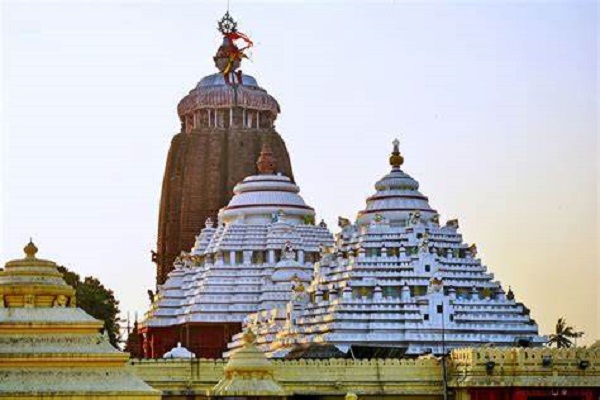
The Jagannath Temple is Jagannath most famous attraction and the reason why most people visit the city. The temple is dedicated to Lord Jagannath, a manifestation of Lord Vishnu. With its towering spires and intricate carvings, it is a magnificent temple. Visitors are welcome to enter the temple and view the deities up close, but non-Hindus are not permitted inside the sanctum sanctorum. The best time to visit the temple is during the annual Ratha Yatra, a grand festival in which the deities are paraded out of the temple.

Puri Beach should be explored

Puri Beach is a popular tourist and local destination. It’s a long, clean beach with golden sands and crystal-clear water. Visitors can swim in the ocean or relax on the beach while taking in the breathtaking views. There are also numerous beachside cafes and restaurants where you can eat delicious seafood and local cuisine. Puri Beach is especially lovely at sunrise and sunset.

Check out the Sand Art at Chandrabhaga Beach

Chandrabhaga Beach is a beautiful beach about 3 kilometers from Konark. It is well-known for the sand art created by local artists. Sand art is created by artists using only sand and water to create intricate designs and sculptures that are truly amazing. At Chandrabhaga Beach, visitors can also go swimming and surfing.

Visit Konark Sun Temple

Another well-known attraction in the area is the Sun Temple at Konark. It is a UNESCO World Heritage Site and is regarded as one of India’s most impressive temples. The temple is dedicated to the Sun God and is shaped like a massive chariot with 12 pairs of wheels drawn by horses. The temple is an engineering marvel, with intricate carvings and sculptures.

Take Advantage of Local Cuisine

Jagannath is well-known for its delectable local cuisine, which combines seafood and vegetarian dishes. Visitors can sample local delicacies such as Prawn Curry, Fish Fry, and Chenna Poda, a cottage cheese sweet. The street food in Jagannath is also worth trying, with snacks such as Chaat, Samosas, and Pani Puri available.

Participate in Cultural Events

Jagannath is a culturally rich city, which visitors can experience by attending some of the cultural events held throughout the year. The Ratha Yatra is the most important festival in Jagannath, but there are also Puri Beach Festival, Konark Dance Festival, and Odisha Art and Craft Exhibition.

Chilika Lake should be visited

Chilika Lake is a beautiful lagoon about 50 kilometers from Jagannath. It is Asia’s largest brackish water lagoon and is home to a diverse range of flora and fauna. Visitors can explore the various islands and bird sanctuaries by boat on the lake. Chilika Lake is also a popular spot for bird watching, with a variety of migratory birds such as flamingos, pelicans, and herons to be seen.


Best Season to Visit

The best time to visit Jagannath is between October and March, when the weather is mild and comfortable. The temperatures are moderate and the humidity is low during this time of year, making it easier to explore the city and its attractions.

The summer months of April to June are scorching hot, with temperatures exceeding 40 degrees Celsius, making most tourists uncomfortable. The monsoon season, which lasts from July to September, brings heavy rains and thunderstorms, making exploration of the city difficult.

Furthermore, the monsoon season frequently causes flooding and disruptions, which can jeopardise your trip. As a result, it is best to avoid visiting Jagannath during the monsoon season.

The winter months of December to February are also ideal for visiting Jagannath. With temperatures ranging from 12 to 25 degrees Celsius, the weather is pleasant and cool. This is also an excellent time to see the famous Ratha Yatra festival, which occurs in June or July.

Reach By Train, Air or Road

Jagannath, also known as Puri, is a popular tourist destination in India, with several options for getting there.

By Train:

Jagannath has its own railway station, Puri Railway Station, which connects to major Indian cities such as Delhi, Mumbai, Kolkata, and Chennai. Regular express and superfast trains run to and from Puri, making it a convenient and cost-effective way to get to the city.

By Air:

The Biju Patnaik International Airport in Bhubaneswar is approximately 60 kilometers away from Jagannath. The airport is well-connected to major Indian cities such as Delhi, Mumbai, Kolkata, and Chennai. You can take a taxi or a bus from the airport to Jagannath.

By Road:

Jagannath is well-connected by road to major cities in Odisha and neighbouring states. Regular bus services are available from cities such as Bhubaneswar, Kolkata, and Vishakhapatnam, among others. Private taxis and cars can also be rented.

Overall, whether you prefer to travel by train, air, or road, there are several convenient ways to reach Jagannath. To avoid last-minute problems, it is best to plan ahead of time and purchase your tickets.

Do’s and Dont’s while visiting Jagannath

To ensure a pleasant and safe trip to Jagannath, visitors must be respectful and follow certain guidelines. Here are some things to remember when visiting Jagannath:

Do’s

Dress appropriately:

Jagannath is a holy city, and it is important to dress modestly while visiting the temple or any other religious place. It is recommended to wear clothes that cover your shoulders and knees.

Remove footwear:

It is mandatory to remove footwear before entering the Jagannath temple, so make sure to carry socks or wear easy-to-remove sandals.

Follow temple rules:

The Jagannath temple has certain rules and regulations that visitors must follow, such as not carrying any leather items or electronic devices inside the temple premises.

Respect local culture:

Jagannath has a rich cultural heritage, and it is important to respect local customs and traditions. Be mindful of your behavior, and avoid any actions that may offend locals.

Explore local cuisine:

Jagannath is famous for its delicious food, such as the popular Puri and chenna poda. Don’t miss out on trying local cuisine and delicacies during your visit.

Dont’s

Photography inside the temple:

Photography is strictly prohibited inside the Jagannath temple, so avoid taking pictures or videos while inside the temple premises.

Disrespect local customs:

Jagannath is a holy city, and it is important to be respectful of local customs and traditions. Any actions or behaviours that may offend locals or religious sentiments should be avoided.

Littering:

Jagannath is a clean city, and it is important to maintain its cleanliness by not littering. Use dustbins or carry your waste with you.

Drink and drive:

Drinking and driving is strictly prohibited in Jagannath, and it can lead to serious consequences. Avoid drinking and driving or breaking any traffic rules.

Trespassing restricted areas:

Certain areas of the Jagannath temple are restricted to visitors, and it is important to respect those boundaries. Avoid trespassing or entering restricted areas.

Things to Do in Muktinath

Muktinath, located at an elevation of 3,710 metres in Nepal’s Mustang district, is a sacred pilgrimage site for both Hindus and Buddhists. Muktinath means “the place of liberation or moksha” in Sanskrit, and it is believed that bathing in the holy waters of its 108 taps brings salvation to the soul. Aside from its religious significance, this region is a popular trekking destination with stunning views of the Annapurna and Dhaulagiri mountain ranges. Visitors can trek to Muktinath via the difficult Thorong La Pass, or take a more leisurely road or helicopter route. This region also provides a glimpse of traditional Mustangi culture and lifestyle. Muktinath is a must-see destination for those looking for a unique blend of spiritual, cultural, and natural thrilling experiences in Nepal. With Muktinath tour packages as your travel buddy beside you can book and plan your this vacation at Muktinath for a divine thrilling experience.

Exploring Muktinath – Exciting Things to Do

The sacred pilgrimage site of Nepal’s Mustang district Muktinath, is a masterpiece of pilgrimage and adventure. It holds religious significance for both Hindus and Buddhists. Muktinath is located 3,710 metres above sea level, surrounded by snow-capped mountains and breathtaking natural beauty. Let us explore some activities and spots in Muktinath to make your trip more exciting;

Visit the Muktinath Temple:

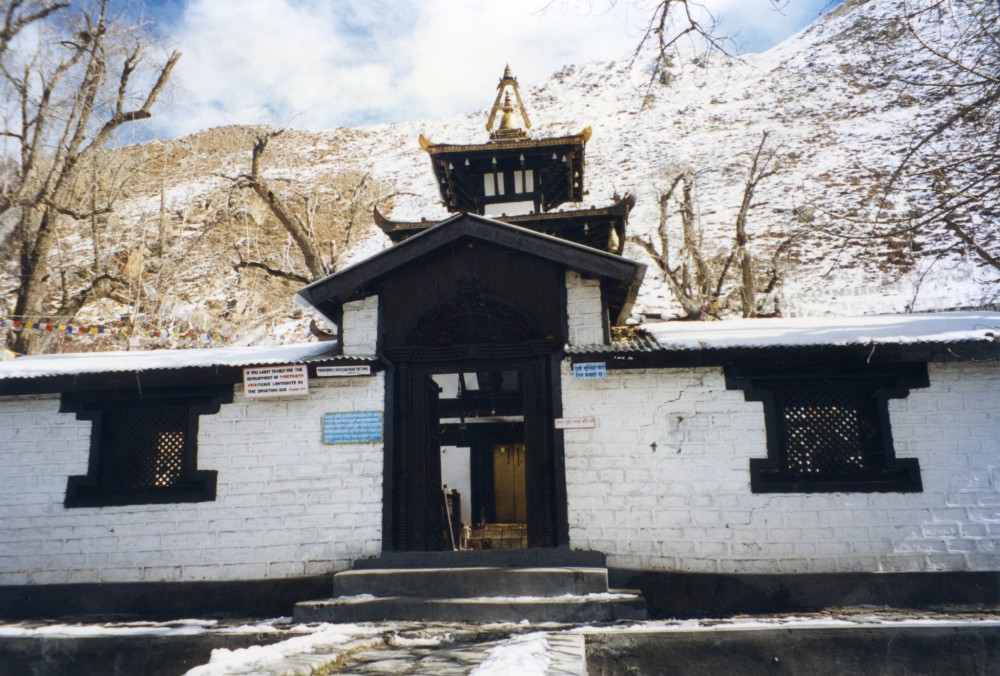
Muktinath’s main attraction is the Muktinath Temple. It is a Hindu and Buddhist pilgrimage site dedicated to Lord Vishnu. The temple has 108 brass water spouts that are thought to be holy and capable of washing away sins. Many pilgrims come to Muktinath to bathe in these holy spouts.

Trek to Muktinath:

Muktinath is accessible by trekking from a number of locations in Nepal, including Jomsom, Kagbeni, and Pokhara. The trek to Muktinath is an excellent way to explore the region’s natural beauty and take in the breathtaking Himalayan views. Depending on the starting point and route taken, the trek can take anywhere from 3 to 7 days.

Visit Kagbeni:

Kagbeni is a small town on the way to Muktinath. It is an ancient town with traditional architecture and a way of life. The town is surrounded by the Himalayas and is located at the confluence of the Kali Gandaki and Jhong Rivers. Kagbeni is an excellent place to learn about the local culture, visit monasteries, and sample the local cuisine.

Visit the Jharkot Monastery:

Located near Muktinath, the Jharkot Monastery is one of the region’s oldest monasteries. The monastery, which is thought to have been built in the 15th century, has a long history. Many pilgrims visit the monastery to seek blessings because of its beautiful murals and statues.

Dip in the Kunda:

The Kunda is a small pond near the Muktinath Temple. It is thought to be holy and capable of cleansing sins. Many pilgrims take a spiritual cleansing dip in the Kunda.

Visit the Shaligram Museum:

Located in Jomsom, the Shaligram Museum is dedicated to the sacred stones known as Shaligrams. Shaligrams are black stones found in the Kali Gandaki River that are thought to be manifestations of Lord Vishnu. The museum has over 1,500 Shaligrams in its collection, and visitors can learn about their history and significance.

Enjoy the local cuisine:

Muktinath is well-known for its delicious local cuisine. Thakali thali, a traditional Nepali meal of rice, lentils, vegetables, and meat, and momos, steamed dumplings filled with meat or vegetables, are two popular dishes. These dishes can be found in local restaurants and tea houses.

Discover the local culture:

Muktinath is home to a diverse population of ethnic groups, including the Thakali, Gurung, and Tibetan communities. Visitors can immerse themselves in the local culture by participating in traditional festivals, visiting local homes, and interacting with the locals.

Finally, it is a religious and culturally significant site. Visitors can take in the region’s natural beauty, learn about the local culture, and seek spiritual blessings at the Muktinath Temple. It surely has something for everyone, whether you are a religious pilgrim or a traveller looking for adventure and culture.

How to Reach Muktinath

Muktinath is a popular pilgrimage site in Nepal’s Mustang district. It is located at an elevation of 3,710 metres above sea level and is accessible via various modes of transportation. Muktinath can be reached by rail, road, or air, as follows:

By Air:

Flying is the most convenient way to get to Muktinath. Jomsom Airport, about 20 kilometres from Muktinath, is the nearest airport. There are flights from Kathmandu and Pokhara to Jomsom Airport. Visitors can hire a jeep or take a shared taxi from the airport to Muktinath.

By Road:

Muktinath is accessible by road from all parts of Nepal. Jomsom, the nearest town to Muktinath, is connected by a well-maintained road network. Visitors can reach Jomsom by bus or jeep from Pokhara or Kathmandu. Visitors can reach Muktinath by trekking or hiring a jeep from Jomsom.

By Rail:

The nearest railway station to Muktinath is Gorakhpur Railway Station in India, about 400 kilometres away. Visitors can take a bus or a taxi from Gorakhpur to the Nepal border. Visitors can reach Muktinath by bus or jeep after crossing the border.

It is critical to remember that weather conditions, particularly during the monsoon season, can have an impact on road and air connectivity to Muktinath. As a result, visitors should check the weather and transportation availability before planning their trip. However, due to the difficult terrain and weather conditions, it is recommended that you hire a local guide or travel agency to ensure a safe and trouble-free trip to Muktinath.

Best Season To Visit The Region

Muktinath is best visited during the spring and autumn seasons, which are April to June and September to November, respectively. The weather is mild and the skies are clear during these months, making it easier to enjoy the beautiful landscape and mountain views. Temperatures are also pleasant during these months, ranging from 10 to 25 degrees Celsius during the day and dropping to 0 to 10 degrees Celsius at night.

The flowers are in bloom during the spring season, and the scenery is vibrant and colourful. Autumn is also a great time to visit because the skies are clear and the weather is dry, allowing for unobstructed views of the Himalayan range. These seasons also have less rainfall, making travel and trekking around the area easier.

It is important to note, however, that Muktinath can experience severe weather, particularly during the monsoon season (July to August) and the winter season (December to February). Heavy rain and snowfall can cause road closures and transportation difficulties, making it difficult to reach the pilgrimage site.

The best seasons to visit Muktinath are spring and autumn, when the weather is mild and the skies are clear. Visitors should plan their trip carefully and check the weather forecast before setting out.

Essential Guidelines

If you are planning a trip to Muktinath, here are some important things to remember:

Obtain the necessary permits:

To enter the Muktinath Temple, visitors must first obtain a permit. The permit is available at the Nepal Tourism Board offices in Kathmandu and Pokhara.

Dress appropriately:

Visitors are expected to dress appropriately because Muktinath is a sacred site. Men should wear full-length pants and shirts, while women should cover their shoulders with long skirts or pants.

Prepare for altitude sickness:

Muktinath is 3,710 metres above sea level, and visitors may experience altitude sickness. It is advised to acclimatise gradually by spending a day or two in Jomsom before travelling to Muktinath.

Carry enough cash:

Muktinath has no ATMs, and credit cards are not widely accepted. It is recommended that you bring enough cash for the duration of your trip.

Respect the local culture:

Visitors are expected to respect the local culture and traditions because Muktinath is a sacred site for Hindus and Buddhists. Do not disturb the prayer flags or leave trash in the vicinity.

Be prepared for weather changes:

Because Muktinath is prone to extreme weather changes, visitors should dress appropriately for rain, snow, or sun. Carry appropriate weather-protective clothing and equipment.

Hire a local guide:

Hiring a local guide can help you navigate the area while also providing insights into the local culture and traditions. It can also ensure your safety while travelling.

By following these important guidelines, visitors can have a safe and memorable trip to Muktinath.