Top 10 Places To Visit In Udaipur: The City Of Lakes

A great story about the top 10 places to visit in Udaipur: the city of lakes, Read about the things to do in Udaipur for a perfect travel experience.

A visit to Udaipur is indeed an exhilarating and charming experience. The City of Lakes, Udaipur is also known as the “Venice of the East” and is one of the marvels Rajasthan has to offer. It has a rich cultural background and heritage. The palaces reflect the history of Rajasthan and the architectural grandeur of the era of Rajputs. The scenic landscape will touch your soul and leave you wanting more.

Best Places To Visit In Udaipur

The city of Udaipur houses several unique attractions, but the following is a list of the top 10 places in Udaipur you must visit.

1. City Palace
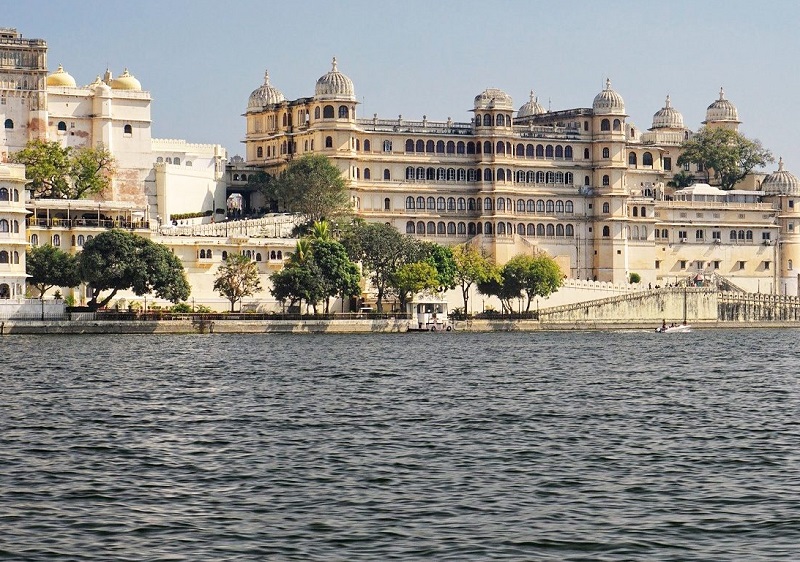
City Palace, Udaipur

Built in the year 1559 by Maharana Udai Mirza Singh, this is the first place you should visit once you reach Udaipur. It is located on the banks of Lake Pichola and is an exemplary example of European, Medieval and Chinese architectural styles. It consists of 11 palaces in total and the size of the entire place is magnificent with all the terraces, courtyards, hanging gardens, pavilions, and more.

After taking a tour of the palace, you should visit the City Palace Museum and then enjoy the picturesque view of Lake Pichola.

  • Timings: 9:30 am to 5:30 pm
  • Tickets: INR 30 (for adults) and INR 15 (for children)
  • Visit Duration: 1 to 2 hours

2. Lake Pichola
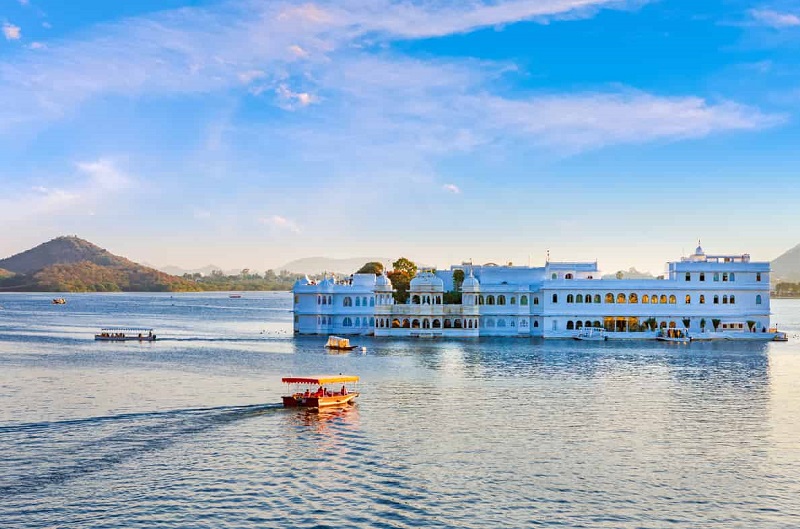
Lake Pichola, Udaipur

A man-made lake, measuring around 4 km in length and 3 km in width, Lake Pichola is a wonder of Udaipur. It was developed in 1362 AD and remains surrounded by magnanimous palaces, Huge Hills, Temples, Ghats, etc. The islands of Lake Pichola house several tourist attractions. The sunset views are picturesque and the boat cruise will provide beautiful views of the town and the palaces.

  • Timings: Open till sunset (every day)
  • Ticket: Boat ride- INR 340 (for adults), INR 170 (for children)
  • Visit Duration: 1 to 2 hours

3. Lake Palace
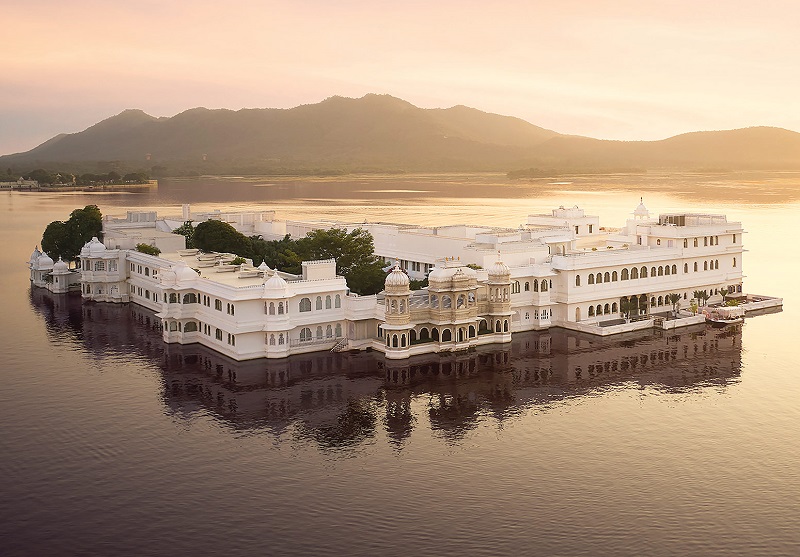
Lake Palace, Udaipur

Lake Palace has become a symbol of Udaipur tourism and also a famous wedding destination. Also known as Jag Niwas, the palace is an architectural marvel. Located on the island of Jag Niwas in Lake Pichola, it was built back in 1746 by Maharana Jagat Singh II and was later converted into a luxury hotel. This location has been shown in several Bollywood and Hollywood movies.

  • Timings: Open every day
  • Ticket: Museum Tour- INR 75, Gallery tour- INR 500, Boat ride- INR 450
  • Visit Duration: 1 to 2 hours

4. Lake Garden Palace (Jagmandir)
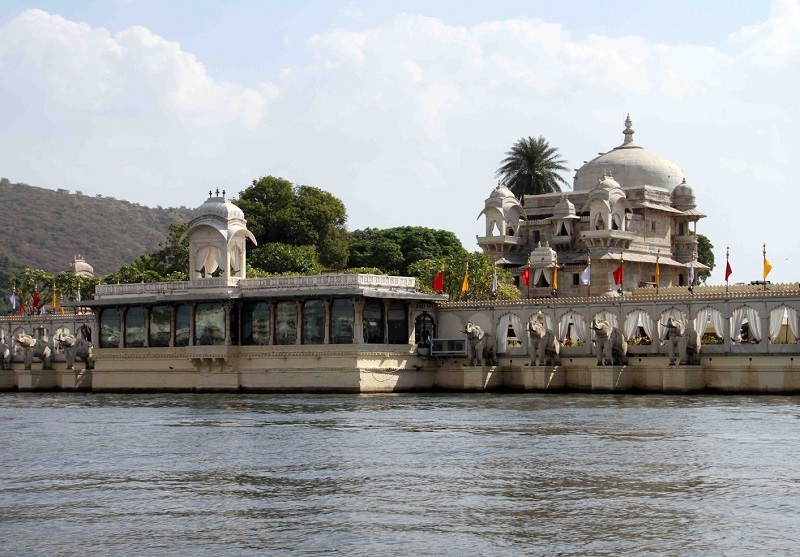
Lake Garden Palace

Jagmandir Lake Garden Palace is said to have been an inspiration for the Taj Mahal as Shah Jahan took refuge here when he was young. The palace has a vast history and serves as a symbol of friendship between the Mughals and Rajputs. Many impressive structures give the palace a regal feel and a delight to any visitor.

  • Timings: Open every day
  • Ticket: 30-minute boat ride- INR 225 (for adults), INR 115 (for children); 1-hour boat ride- INR 325 (for adults), INR 115 (for children)
  • Visit Duration: 1 to 2 hours

5. Vintage Car Museum
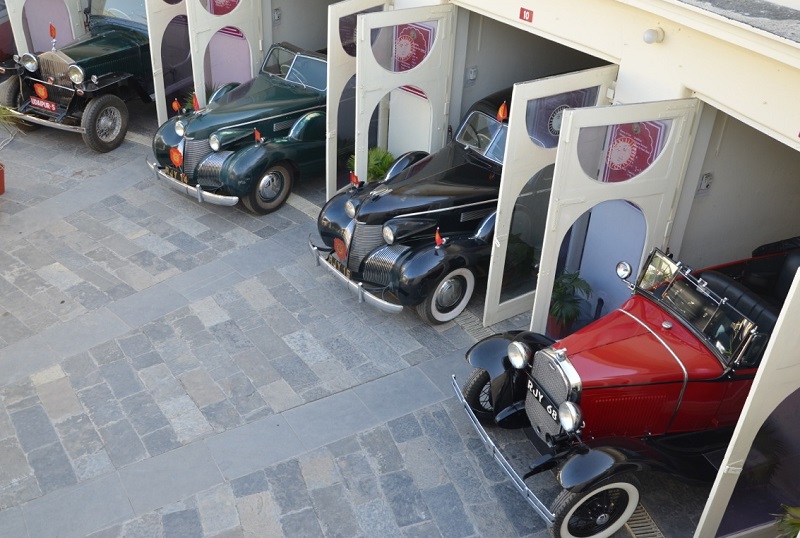
Vintage Car Museum

If you are a motor enthusiast, then you simply cannot miss visiting The Royal Vintage Car Museum. The place was inaugurated back in February 2000 and ever since has become extremely popular as a tourist destination. It houses several famous vintage cars such as the 1934 Rolls-Royce Phantom that was featured in the Bond film Octopussy, many other rare Rolls-Royce models, and more.

  • Timings: 9:00 am to 9:00 pm
  • Ticket: INR 250 (for adults), INR 150 (for children)
  • Visit Duration: 45 min.

6. Bagore Ki Haveli
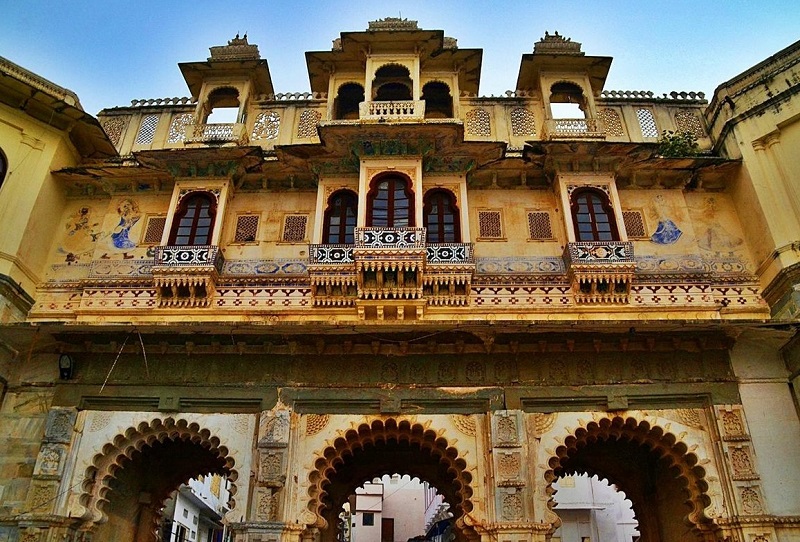
Bagore Ki Haveli, Udaipur

Located near Pichola Lake, this 19th-century marvel was built in 1878 by Amir Chand Bandwa, CM of the Royal Court of Mewar. This palace was transformed into a museum and retains the royal touch. The museum houses the culture of Mewar in the form of antiques. The museum also has jewelry, hand fans, vessels, boxes, etc. used by the Rajputs. The building has more than 100 rooms and a splendid look due to its unique architectural style. You can also enjoy the shows conducted there in the evenings.

  • Timings: 10:00 am to 6:30 pm
  • Ticket: INR 60 + INR 100 (additional charges for the camera)
  • Visit Duration: 1 to 2 hours

7. Saheliyon Ki Bari
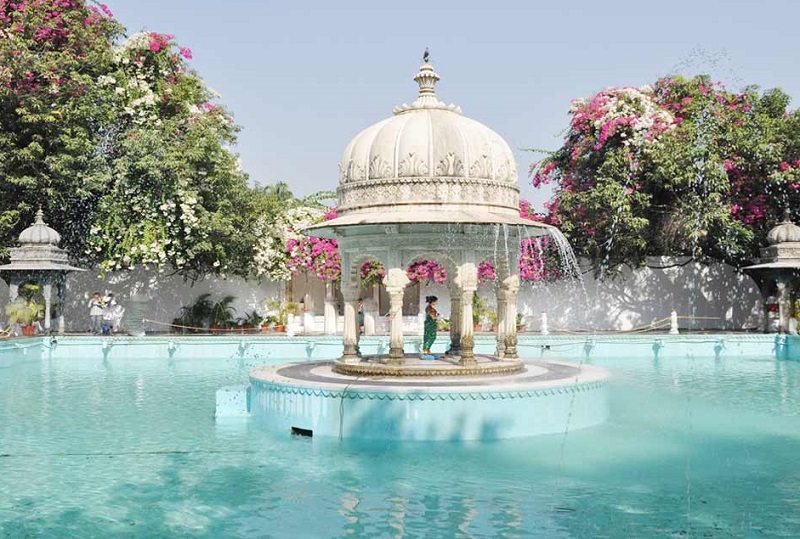
Saheliyon Ki Bari, Udaipur

This place was built by Sangram Singh II as a gift to his queen and her maids, hence the name “Saheliyon Ki Bari” (the Garden of Companions). It is indeed a mesmerizing and beautiful place designed by the king himself. It was a relaxing spot where the queen would rest with her 48 maids. The garden still serves as a relaxed place and people often come here.

  • Timings: 8:00 am to 8:00 pm
  • Ticket: INR 10 (for Indians) and INR 50 (for foreigners)
  • Visit Duration: 45 min.

8. Jagdish Temple
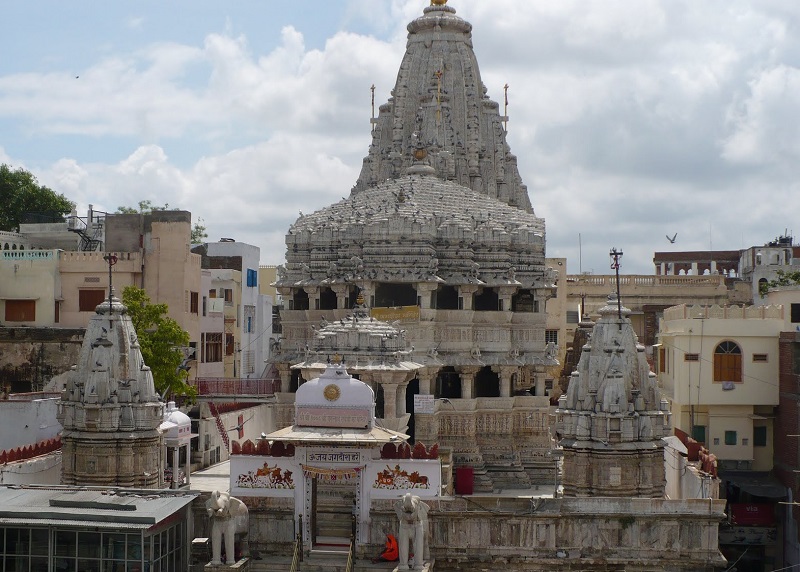
Jagdish Temple

This is the largest temple of Udaipur and was built back in 1651. This Indo-Aryan architectural marvel costs around INR 1.5 million. It is dedicated to the god Vishnu but shelters other shrines as well, such as those of Lord Shiva, Goddess Shakti, the Sun God, and Ganesh. The temple has beautiful wall carvings, sculptures of elephants, and stunning architecture.

  • Timings: 4:15 am to 1:00 pm, 5:15 pm to 8:00 pm
  • Ticket: No entry fee
  • Visit Duration: 45 min.

9. Sajjangarh Palace
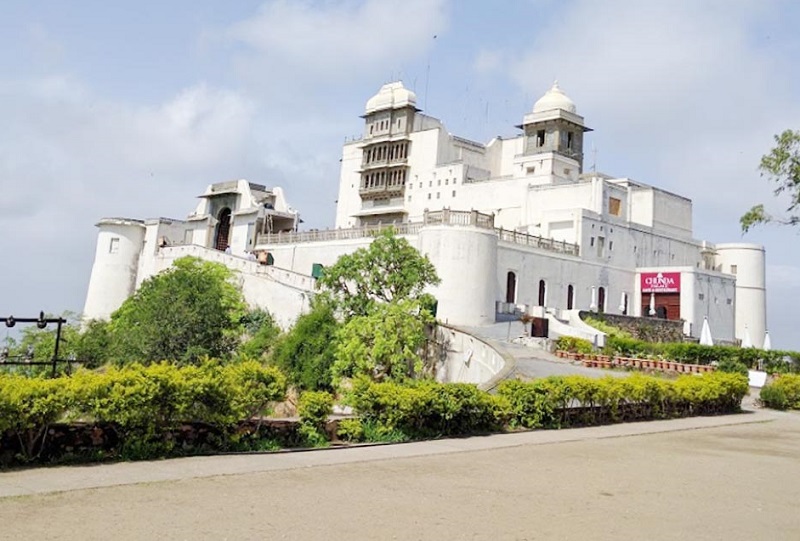
Sajjangarh Palace

Also known as The Monsoon Palace, the Sajjangarh Palace is located on top of a hill and provides picturesque views of the Fateh Sagar Lake. Surrounding the palace is the Sajjangarh Wildlife Sanctuary. The castle is straight out of a fairytale. It is an example of the opulence of the rulers of the Rajput era. The castle was built by Maharana Sajjan Singh in 1884, for the sole purpose of watching monsoon clouds. This palace should be on your list for its outstanding lakes, palaces, and mountains.

  • Timings: 8:00 am to 6:00 pm
  • Ticket: INR 10 (for Indians). INR 80 (for foreign nationals)

10. Moti Magri
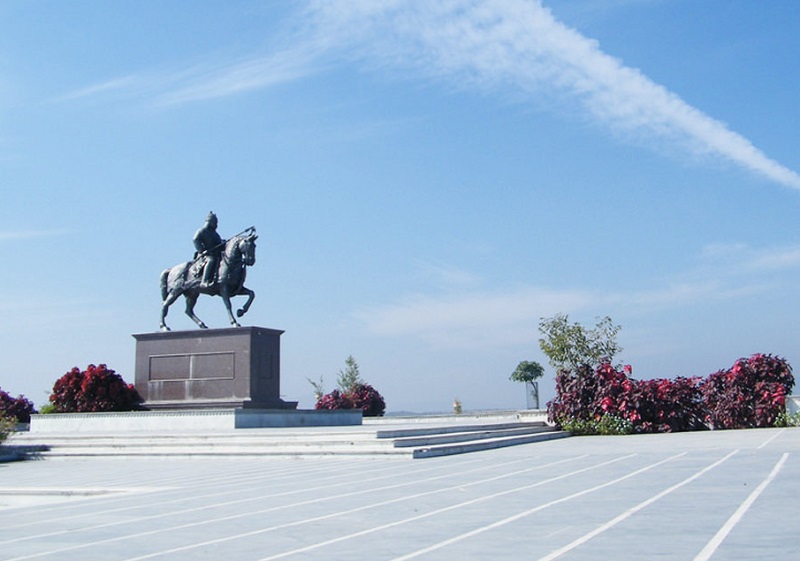
Moti Magri, Udaipur

This is the perfect tribute to the grandeur of Maharana Pratap and his dear horse, Chetak. It is located on a hilltop and overlooks the Fateh Sagar Lake. Just on top of the Moti Magri, is the lifelike statue of the most celebrated ruler of Udaipur, Maharana Pratap, and his horse Chetak. Nearby lie a Japanese rock garden and the remnants of an old fort.

  • Timings: 9:00 am to 6:00 pm
  • Ticket: INR 20
  • Visit Duration: 0.5 to 1 hour

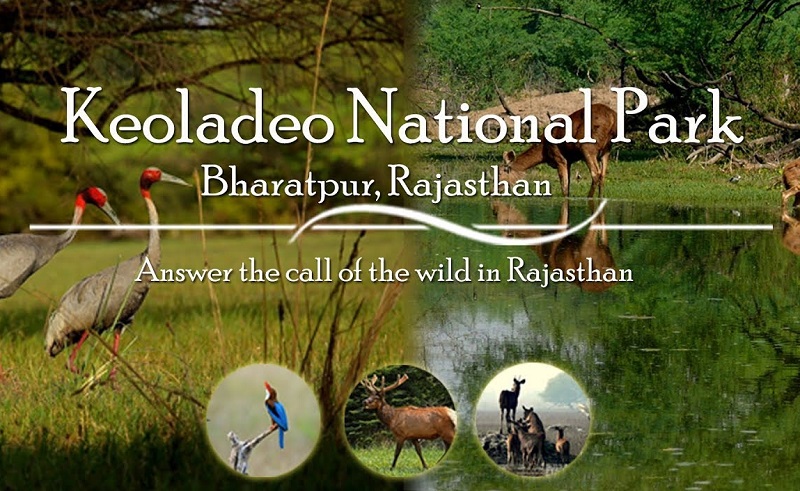
A Ride through Keoladeo National Park in India

While most people consider the Taj Mahal to be the highlight of their experience in northern India, one of the best mornings I had by far was spent at the Keoladeo National Park in Bharatpur, Rajasthan. Declared a World Heritage Site by UNESCO, this manmade park is one of the richest bird areas in the world, boasting no fewer than 366 species of birds, 379 species of plants, 50 species of fish, 13 species of snakes, seven species of amphibians and five species of lizard.

Visiting Keoladeo National Park In Rajasthan

Keoladeo National Park

We started our visit early in the morning when the park first opened – this was when the air was coolest and most of the animals within Keoladeo National Park were just getting up and about. As our guide wandered off to rent himself a bike, we were taken over to a rickshaw which would be our form of transport for the rest of the day.

A Parakeet Hanging Upside-Down From A Tree

We did want to cycle around ourselves – after being in India for about ten days at this point, we’d had enough of everyone doing everything for us! – but since temperatures were set to peak into the mid-40s that day, our guide seriously advised against it.

Our Guide And Rickshaw Driver Both Pointed Out All Sorts Of Exotic Wildlife

We started the tour being led under the partially shady tree canopy, over a very uneven, rocky surface. Our guide pointed out all kinds of birds along the way, some of which live permanently in Keoladeo National Park and others which only visit for brief times during migration periods.

A Sambar Deer Hiding In The Trees

We saw many different species of birds across a wide range of colors and sizes – including parakeets, storks, owls, and peacocks which, unfortunately, were not up for giving us much of a show that day. But the fauna we saw during our trip wasn’t just limited to birds – the park is also home to 27 different species of mammals, only a few of which we saw.

A Wild Boar Mother Grazing With Its Young

Wild boar mothers with their young, loads of sambar deer clustered together and the odd porcupine were some of the most interesting creatures we spotted, but the highlight of our day was definitely when we ventured right into the center of Keoladeo National Park.

A Local Feeding Catfish And Soft-Shelled Turtles

There are several large lakes and ponds speckled throughout the Keoladeo National Park, one of which is the residing spot of many catfish and soft-shelled turtles. Since there isn’t much in the way of natural sources of food for these animals to gorge on, some of the locals take it upon themselves to take care of the animals and feed them – we were lucky enough to see the feeding process in action.

A Curious Monkey Watching The Catfish And Turtles Being Fed

It’s at this same point in the park where we found massive tribes of monkeys all living together. Just like the locals take care of the carp and turtles, they also feed the monkeys in the same place, which is why they were all gathered here. Except for witnessing a few rough fights over the best bits of food, watching the monkeys behave completely in their natural habitat was beyond amazing. Watching how the mothers take care of their young was truly touching.

A Young Monkey Riding On Her Mother’s Back

If you ever sign up for a Golden Triangle Tour in North India, a morning at the Keoladeo National Park in Rajasthan is worth it. Most tour companies offer this trip as an optional added extra and don’t promote it as being as spectacular as it is – now you know better! You can stay in wonderful top-quality hotels in India for the entire duration of your tour for remarkably low prices, which makes visiting the incredible country for an adventurous, yet still completely comfortable, holiday even easier.

Ranthambore National Park

The town of Ranthambore in the city of Sawai Madhopur is famous for the Ranthambore National Park. Founded and named after a chieftain Ran Mal Jat. Raja Sajraj Singh Nagil was the first Jat king of the town.

History

Earlier named as Ranastambha or Ranastambhapura, the town of Ranthambore was under the reign of Prithvi Raj Chauhan I, a follower of Jainism ruled the entire region in the 12th century. Later, from 1326-1364 AD, Ranthambore was captured by Rana Hamir Singh of Mewar and Rana Kumbha took over the region from 1433–1468 AD. It was during the reign of Rana Udai Singh, that the fortress was passed onto the HADA Rajputs of Bundi. Later, Sultan Bahadur Shah of Gujarat and Mughal Emperor Akbar captured the fortress. It was in the 17th century that the fortress passed to the Kachwaha Maharajas of Jaipur, and remained a part of Jaipur until the India became independent.

Altitude: 505 mtrs.
Best Season: The best time to visit Ranthambore is during the months of November to March, during the winter season.
Climate: Summer Mean Max. 46°C Mean Min. 23°C Winter Mean Max. 32°C Mean Min. 4°C
Clothing: Summer light tropical or light Winter Woolen.
Distances from Ranthambore
Delhi 372 Kms. Agra 291 Kms. Ajmer 271 Kms.
Alwar 213 Kms. Bharatpur 237 Kms. Jaipur 163 Kms.
Jaisalmer 724 Kms. Jodhpur 452 Kms. Mt. Abu 578 Kms.
Ranthambhore 0 Kms.    

Tourist Attractions

Ranthambore Fort: The Ranthambore Fort is situated within the Ranthambore wildlife reserve. The fort is a perfect exemplar of the architecture during the Chauhan dynasty, the construction of the fort was started in the year 944 AD under the King Sapaldaksha, however, it was during the time of Rao Hammir Deo Chauhan that the fort actually took shape. A recognized UNESCO World Heritage Site, the Ranthambore Fort also referred to as the ‘Hill Forts of Rajasthan’. Situated atop a 700ft high hill, the fort is one of the most famous attractions of the Ranthambore National Park. Once the royal hunting destination, the fort features a sprawling jungle that makes it a great destination for some adventure sports. The Ranthambore fort was declared a part of the ‘Sawai Madhopur Game Sanctuary’ in the year 1950 to conserve the wildlife of the area.

Trinetra Ganesha Temple: The Trinetra (Three-Eyed) Ganesha Temple is a famous temple made in honor of Lord Ganesha. The temple is one of the oldest temples in the state of Rajasthan. The temple enshrines Lord Ganesha and his entire family. The temple was constructed by King Hammer, an ardent follower of the deity. It is believed that while the King was away on war, there ran out of food supplies, it was then Lord Ganesha appeared in the King’s dream and assured him that the stocks will be filled. The next day, the war ceased and the stock was replenished, it was then the King decided to build a temple in honor of the deity. The temple is visited by the numerous devotees of Lord Ganesha from all over the state. Every day five aartis are held within the temple premises honoring the deity.

Surwal Lake: With a quaint setting, the Surwal Lake is one of the most splendid attractions inside the Ranthambore. The lake invites many birds, which can be seen here catching fishes. Being a shallow lake, the best time to visit Surwal Lake is during the months of monsoon when it is filled with water.

Padam Lake: The Padam Lake is the largest lakes and the main source of water for the wildlife of Ranthambore. The lake got its name from the water lilies which bloom here during their season. Many animals can be spotted here quenching their thirst. Padam lake is one of the best attractions to visit if you want to catch a glimpse of some of the rare wildlife species at Ranthambore including chinkara, and tigers.

Jogi Mahal: The Jogi Mahal is a palace constructed on the sides of the Padam Lake. The Mahal was made as a rest house for its visitors, and owing to its strategic location, it has become one of the most famous attractions of Ranthambore. There is a banyan tree located nearby the Jogi Mahal, which is considered one of the largest banyan trees in the world.

Malik Talao: The Malik Talao is a small lake inside the tiger reserve of Ranthambore. One of the most scenic attractions, Malik Talao is home to the Marsh crocodiles. Moreover, some of the species spotted here are kingfishers, herons, egrets, storks, cranes, and ibis. Malik Talao is one of the best places to visit for bird watching.

How to Reach

By Air: The Jaipur International Airport is the nearest airport to Ranthambore.

By Rail: The nearest railway station to Ranthambore is the Sawai Madhopur, situated at a distance of 11 km from Ranthambore. It is well-connected to cities like Jaipur, Mumbai & Delhi.

By Road: Ranthambore has a well-built road network, which connects it to the nearby cities of Rajasthan and other states.

A Complete Travel Guide to Ghanerao, Rajasthan

Situated on the State Highway 16, the village of Ghanerao is located in the Desuri tehsil in the district of Pali, Rajasthan. Owing to its proximity with the famous sites of attraction like the Kumbhalgarh Fort, Kumbhalgarh Wildlife Sanctuary, and the Ranakpur Jain temple makes it a famous point of interest in the tourism industry of Rajasthan. The region is home to many 11 Jain temples, the oldest being the Muchhal Mahavir Temple. Moreover, Ghanerao is also home to many Hindu temples including the Laxmi Narayanji, Murlidhar Temple and temple dedicated to Charbhujaji, Riddhi and Siddhi Gajanand, Sri Mahalaxmi Ji, as well as the Sri Britwesar Mahadev Temple. Moreover, Ghanerao is also home to 33 Baoris and is a region with the most number of Baolis in the entire state. There are a lot of Havelis in Ghanerao made from red sandstone employing the style of architecture affluent during those times. The House of Ghanerao, a patron of the Rajput style of architecture is still functional in the state employing the local artisans of the state.

History

The village of Ghanerao was a princely resort of around 37 villages founded in the year 1606. Ruled by the Rathor of the Mertia clan, the region was once a member of the states of Jodhpur and Udaipur.

Altitude : 380 mtrs.
Best Time to Visit: The best time to visit Ghanerao is from October to December.
Climate: Summer Mean Max. 42.8 ‘C Mean Min. 22.0 ‘C Winter Mean Max. 20 ‘C Mean Min. 11.0 ‘C
Clothing: Summer light tropical or light Winter Woolen.
Distances from Ghanerao
Delhi 601 Kms. Agra 579 Kms. Ajmer 224 Kms.
Alwar 485 Kms. Bharatpur 525 Kms. Jaipur 339 Kms.
Jaisalmer 421 Kms. Jodhpur 152 Kms. Mt. Abu 180 Kms.
Ranthambhore 415 Kms.    

Tourist Attractions

Ghanerao Castle: The Ghanerao castle is a magnificent piece of architecture situated in Ghanerao. Built around 1606 using Marble and Red sandstone in the Rajput style of Architecture, the Ghanerao castle is one of the most awe-inspiring attractions of the village of Ghanerao. The castle boasts 7 beautiful and spacious rooms with the best verandas. The castle still serves as the place of residence to the royal family of Ghanerao.

Muchhal Mahavir Temple: The Muchhal Mahavir Temple is a famous Jain temple located in Ghanerao in the district of Pali. The temple worships Lord Mahavir as the prime deity within the temple complex. Every year on the 13th day of Chaitra, a fair is held at the temple complex which is attended by numerous Lord Mahavir devotees from across the state as well from outside its boundaries.

How to Reach

By Air: The nearest airport to Ghanerao is the Maharana Pratap Airport situated in the city of Udaipur at a distance of 77.2 KM from Ghanerao.

By Rail: The Rani Railway Station is the nearest railway station to Ghanerao, situated at a distance of 25.9 kilometers.

By Road: Ghanerao has a bust stand which is actively connected to other cities of the state via regular bus services.

A Complete Travel Guide to Sawai Madhopur, Rajasthan

The city of Sawai Madhopur in the district Sawai Madhopur is one of the cities of Rajasthan. The city serves as the administrative headquarters of the Sawai Madhopur district. The city is famous for the Ranthambore National Park, one of the largest national parks in the country. Moreover, the city is also home to a UNESCO World Heritage Site, the Ranthambore Fort.

The Trinetra Ganesh temple is also a famous attraction of Sawai Madhopur, illustrious for its guavas, called the “Madhopur guavas”.

History

The city of Sawai Madhopur was constructed as a planned on 19 January 1763 by Maharaja Sawai Madho Singh I and was named after the ruler himself. Every year 19 January is celebrated as the foundation day of the city of Sawai Madhopur.

Altitude: 266 mtrs.
Best Season: The best time to visit Sawai Madhopur is during October to April.
Climate: Summer: Mean Max. 45°’C Mean Min. 32°’C Winter: Mean Max. 30° ‘C Mean Min. 4°’C
Clothing: Summer light tropical or cotton Winter Woolen.
Distances from Sawai Madhopur
Delhi 369 Kms. Agra 287 Kms. Ajmer 266 Kms.
Alwar 209 Kms. Bharatpur 234 Kms. Jaipur 159 Kms.
Jaisalmer 720 Kms. Jodhpur 446 Kms. Mt. Abu 572 Kms.
Ranthambhore 17 Kms.    

Tourist Attractions

Ranthambore National Park: The Ranthambore National park is one of the oldest national parks of India located in the district of Sawai Madhopur. Once the former hunting ground for the Maharajas of Jaipur, the Ranthambore National Park is home to a great & varied flora and fauna and is far-famed for its tiger population. The wild animals are the national park comprise leopard, wild boar, sambar, nilgai, sloth bear, striped hyena, rhesus macaque, southern plains gray langur, and chital. Additionally, the sanctuary also houses a great variety of birds, reptiles, and the largest banyan trees in India.

Jogi Mahal: The Jogi Mahal is a rest house owned & maintained by the forest department of Ranthambore. Initially built by the royal families of Jaipur, the Jogi Mahal has served as the hunting abode for the Maharajas. The palace offers the most mesmerizing views of the Padam Talao- a lake dotted with lovely water lilies. The natural setting of the entire palace accompanied by the splendid lake makes this place one of the most peaceful attractions in Sawai Madhopur.

Ranthambore Fort: The massive Ranthambore fort was erected during the 10th century by the Chauhans. One of the oldest forts of the state, the Ranthambore Fort is an exemplar of the royal heritage of the state and its vast historic appeal. The Fort complex comprises tanks, massive gates, temples, and walkways. The entrance of the fort is adorned by a massive banyan tree, which is believed to be more than 400 years old.

Chamatkar Temple: The Chamatkar Temple is an illustrious Jain Temples in the city of Sawai Madhopur. The temple was named after the miracles (Chamatkar) that led to its foundation. According to tales, it is believed that a farmer found a God’s idol after he dug up a place on God’s direction after the deity appeared in his dreams. Further, the deity told the farmer to put the idol in a chariot and make a temple at the place where the chariot stops. Thus, this site was chosen as the place for the construction of the temple.

Rameshwaram Dham: The Rameshwaram Dham is a famous Lord Shiva temple located at the confluence of the Banas and Chambal River in the city of Sawai Madhopur. Every year a fair is held at the temple complex during Shiv Ratri attracting a lot of pilgrims and devotees from all over the state as well as from nearby states.

How to Reach

By Air: The nearest Airport to Sawai Madhopur is the Sanganer Airport (180 km away), which is well connected to Delhi and Mumbai. However, the nearest International Airport is at Delhi.

By Rail: The nearest railway station is the Sawai Madhopur Junction (SWM).

By Road: The nearest bus stand to Sawai Madhopur is at Nagar.

Rohetgarh – The Heritage Palace of Rajasthan

Rohetgarh is a remote village positioned in the region of Marwar. The village is known for its heritage hotel. The village is inhabited by Bishnois; Paliwals and Meghwals. The village of Rohetgarh is home to various species of birds like Chinkara, blackbuck, etc. The most common languages spoken in the region are Rajasthani, English, and Hindi.

History

In 1622 AD, Rohet was gifted to Thakur Dalpat Singh by the Maharaja of Jodhpur owing to the bravery he showed in the battlefield. Since the city of Rohetgarh was inhabited by the descendants of Thakur Dalpat Singh I, the Rathore of the Champawat clan who reigned during the 16th century. The village of Rohetgarh was under the reign of various kings, and has established itself as a popular heritage destination in Rajasthan.

Altitude: Altitude:
Best Season: The best time to visit Rohet is from October – March.
Average Climate: 8°C – 35°C
Clothing: Summer light tropical or light Winter Woolen.
Distances from Rohet
Delhi 598 Kms. Agra 575 Kms. Ajmer 206 Kms.
Alwar 482 Kms. Bharatpur 521 Kms. Jaipur 335 Kms.
Jaisalmer 316 Kms. Jodhpur 41 Kms. Mt. Abu 225 Kms.
Ranthambhore 456 Kms.    

Tourist Attractions

Rohet Garh: The Rohetgarh fort is a famous attraction of Rohet and an illustrious Heritage Hotel of the state. The hotel served as the residence of the ruling family of Rohet. Furnished with all modern facilities, the hotel is one of the best places to consider for a great stay in Rohet. With heritage, the hotel features spacious rooms adorned with elaborate bed wooden ceiling, traditional lamps, and colorful paintings. Moreover, guests can also indulge in activities including jeep safari, horse safaris, and camel safaris during their stay at Rohetgarh.

How to Reach

By Air: The nearest airport to Rohet is at Jodhpur (41 km away).

By Rail: The nearest railway station is Jodhpur which is about 70 km far away. Jodhpur is easily approachable by rail from Mumbai, Udaipur, and Delhi.

By Road: Rohetgarh has a well-built road network, which connects it to the nearby cities & states.

Jhalawar – The Forgotten Land of Rajasthan

The city of Jhalawar is located towards the southeastern side of Rajasthan. The city served as the former princely state of Jhalawar. The erstwhile ruling family of Jhalawar belonged to the Jhala Rajput Family.

History

Madhu Singh, a Jhala Rajput became the favorite of the Maharaja at Kota, and in turn received an important seat, which finally became hereditary. After the death of one of the Kota Rajas, the charge of the state went to Zalim Singh- a descendant of Madhu Singh. Since then, Zalim Singh became the de facto ruler of Kota. The rule of Zalim Singh lasted for 45 years, which helped Kota earn great respect and recognition.

It was 1838 AD that the British intervention and internal rifts led to the dismembering of the state of Kota, and a new principality of Jhalawar was created for the descendants of Jhala Zalim Singh.

Altitude: 312 mtrs.
Best Season: October-February.
Climate: Summer: Mean Max. 42.0 ‘C Mean Min. 27.0 ‘C Winter: Mean Max. 25.0’C Mean Min. 9.5 ‘C
Clothing: Summer light tropical or cotton Winter Woolen.
Distances from Jhalawar
Delhi 595 Kms. Agra 468 Kms. Ajmer 291 Kms.
Alwar 463 Kms. Bharatpur 488 Kms. Jaipur 334 Kms.
Jodhpur 471 Kms. Mt. Abu 478 Kms. Ranthambhore 230 Kms.

Tourist Attractions

Jhalawar fort (Garh Palace): The Jhalawar fort, also known as Garh Palace is a famous attraction of Jhalawar. The fort currently houses the collectorate and another district office. The Fort was built by the Maharaj Rana Madan Singh and his successors. The Zenana Khas or the ‘Women’s Palace’ area within the fort is adorned with beautiful paintings, and frescoes depicting the fine Hadoti school of art examples on the walls & mirrors.

Government Museum: The Jhalawar Government Museum is the oldest museum in the state of Rajasthan, constructed in the year 1915 A.D. The museum showcases rare paintings, manuscripts, and idols including Lakshminarayan, Vishnu, Ardhanarishvar, Krishna, Natraj, and Trimurti. Situated within the fort, the government museum is also famous for its collection of sculptures, inscriptions, and coins, dating back to the 5th & 7th century.

Bhawani Natyashala: The Bhawani Natyashala is a famous & unique theatre constructed in the year 1921 by Maharaja Bhawani Singh near the Garh Palace. The theatre was built exclusively for plays & other events. The theater has served as a popular Parsi theatre applauded for its great architectural and structure. The famous theatre features a deep stage with an underground construction that allows even horses & chariots to enter the stage. The Bhawani Natyashala has served as a vital source of entertainment in its times and has played host to plays from Shakuntalam to Shakespeare.

Gagron Fort: The Gagron Fort built during the 8th to 14th centuries is an illustrious attraction of Jhalawar. The impressive fort is surrounded by the Ahu River and Kali Sindh River on its three sides. Near the Fort, a mausoleum dedicated to a Sufi saint Mitheshah is a revered site, which plays host to an annual fair held during the month of Moharram.

Sun Temple: The Sun Temple in the town of Jhalrapatan is an 11th-12th century temple made in honor of Lord Sun. The temple comprises a sanctum, prayer hall, and vestibule. The most significant part of the temple is its big spire. Besides honoring the sun god, the temple also enshrines some of the other gods and goddesses. The cede pillars, decorated sculptures, and beautifully painted walls make the temple one of the magnificent religious attraction in Jhalawar. The temple complex can be accessed via three entrance doors with each one having a toran over it. The outer walls of the sanctum depict Dikpalas Surya, Sur-Sundries, Ganesh, and other miniature figures.

How to Reach

By Air: The nearest airport to Jhalawar is the Jaipur International Airport (187 km from Bharatpur) and Indira Gandhi International Airport (216 km from Bharatpur).

By Rail: The nearest railway station to Jhalawar is the Bharatpur Junction Railway station. It is well-connected to the cities like Delhi, Hyderabad, Jodhpur, Jammu, Ahmedabad, Kolkatta, Mumbai, Thiruvananthapuram, and Guwahati.

By Road: Jhalawar lies on the NH 12 and is actively connected to Kota, Bhopal, Jaipur, Ujjain, and Indore.

A Complete Travel Guide to Hanumangarh, Rajasthan

The city of Hanumangarh is situated on the banks of the Ghaggar River, (Ancient Saraswati River). Once known as Bhatner or Bhatnair, the city was founded in 255 AD by King Bhupat. The city was under the control of the Bhati Rajputs clan and was later occupied by Bikaner’s Maharaja Soorat Singh.

History

Hanumangarh was the kingdom of Bhati dynasty and hence its earlier name was Bhatner. Since the city was won on Tuesday, considered the day of Lord Hanuman, the city was christened as “Hanumangarh”. The area around Hanumangarh is believed to be years old, Hanumangarh has also found a great place in history. Excavations at Kalibangan in the year 1951 supported the fact that the origin of the area hails backs to 5000 years dating to the Indus Valley Civilization. The remains found at the excavations have been kept for public display at the Museum at Kalibangan and National Museum, New Delhi.

Altitude: 177 mtrs.
Best Season: The best time to visit the village of Khimsar is during the month of Octobers to March by the native and foreign tourist. The summer is very hot so those who can bear those heat conditions can visit this Thar Desert region. It is to be noted that the rainy season occurs during the month of June to September. Those who like rainy season can venture to this region in these months. According to the Rajasthan tourism department, Khimsar can be visited throughout the year by the native and foreign tourist.
Climate: Summer: Mean Max. 45°’C Mean Min. 17°’C Winter: Mean Max. 16°’C Mean Min. 9°’C
Clothing: Summer light tropical or light Winter Woolen.
Distances from Hanumangarh
Delhi 368 Kms. Agra 588 Kms. Ajmer 443 Kms.
Alwar 465 Kms. Bharatpur 597 Kms. Jaipur 403 Kms.
Jaisalmer 500 Kms. Jodhpur 490 Kms. Mt. Abu 727 Kms.
Ranthambhore 569 Kms.    

Tourist Attractions

Bhatner Fort: The Bhatner Fort, also known as Hanumangarh Fort is located on the banks of the Gaggar River. The fort was built in 295 AD by Bhupat the son of the King Bhatti of Jaisalmer. One of the oldest forts in India, Bhatner fort has seen the rule of great rulers like Timur, Ghaznavids, Prithvi Raj Chauhan, Akbar, Qutb-ud-din-Aibak as well as the Rathores. The fort is also mentioned in the “Tuzuk- e- Timuri”- the autobiography of Timur and “Ain-i-Akbari”- the book based on the Mughal Emperor Akbar. The fort comprises 52 Kunds, which served as the main source of water for the battalions inside the fort. The fort is also home to the tomb of the Sher Khan, the nephew of Sultan Ghiyas-ud-din-Balban.

Temple of Dhuna Shri Gorakh Nathji: The Temple of Dhuna Shri Gorakh Nathji was made in honor of Lord Shiva, Goddess Kali, Shri Bhairuji and Shri Gorakh Nathji’s Dhuna. Shri Gorakh Nathji was one of the nine Siddhas belonging to the Cult of the Naths. The temple comprises the Dhuna Shri Gorakh Nath. Made using bricks, cement, lime, and mortar, the temple also shrines an image of three feet high statue of Goddess Kali and statue of Shri Bhairuji and the entire family of Lord Shiva.

Brahmani Mata Temple: Situated on the Hanumangarh – Kishangarh Mega Highway, the Brahmani Mata temple is built on the old Kalloor Fort’s ruins. The temple worships Devi Brahmani-the Shakti of Brahma. Every year during Navratras, the Mata Brahmani Mela is held at the temple complex.

Kalibangan Archaeological Museum: The Kalibangan Archaeological Museum was built in 1983 to showcase the excavated from the archeological site of Kalibangan archeological site between 1961 and 1969. The museum comprises three galleries, exhibiting the Pre-Harappan findings and Harappan artifacts.

Sila Mata – Sila Peer Temple: The Sila Mata or Sila Peer Temple is a site of communal harmony and is visited by Hindus, Sikhs, and Muslims alike. While the Muslims worship the shrine as Sila Peer, the Hindus worship it as Sila Mata. At the temple water and milk are offered to the deity, which is believed to cure all skin diseases if applied. A fair is held at the premises on every Thursday.

Shri Kabootar Sahib Gurudwara: The Shri Kabootar Sahib Gurudwara was made to mark the historic visit of Guru Gobind Singh-the tenth Sikh Guru, during November in 1706. On his return from Sirsa, Guru Gobind Singh Ji made a stopover at this place. When Guru Ji visited this place many pigeons, (Kabooters) used to gather. People used to feed these creatures, and once a Sikh follower accidentally stepped on pigeon leading to its death. It was then that Guru Ji brought the pigeon back to life. It was in 1730 that a Gurudwara was built on the premises.

Gurudwara of Shri Sukha Singh Mehtab Singh: The Gurudwara of Shri Sukha Singh Mehtab Singh is a historic Gurudwara constructed in the 18th century. The Gurudwara was made in honor of Bhai Mehtab Singh and Bhai Sukha Singh-two Singh martyrs. Every year on the eve of Yadgari Jod Mela during Amavasya many devotees visit the Gurudwara.

How to Reach

By Air: The Ludhiana Airport (LUH) at Punjab (207 km away) and the Raja Sansi Airport (Amritsar, 232 km away) are the two nearest airports to Hanumangarh.

By Rail: The Hanumangarh Junction is the nearest railway station to Hanumangarh, which is well connected to the cities of Rajasthan.

By Road: The Hanumaan Garh Junction is the nearest bus stand to Hanumangarh, which is well connected to the major cities of Rajasthan, and the other cities of India.

A Complete Travel Guide to Sri Ganganagar, Rajasthan

Ganganagar is situated on the banks of the Sutlej River and close to the Great Thar Desert. The region is situated at the borders of the state of Rajasthan, Haryana and Punjab states and the international boundaries of India and Pakistan. One of the biggest districts of the state, Ganganagar once formed a part of the Bikaner state, the region was named after Maharaj Ganga Singh, the king of Bikaner. Owing to a significant population of Punjabis, the region is often heralded as the ‘The Punjab of Rajasthan’. The district has numerous noteworthy attractions like the famous Laila Majnu ki Mazar, the tomb of the famous lovers in the Indian history. Agriculture is the main source of livelihood in the region, Wheat, Guar, sugar cane, Bajra and grams are the main cash crops grown in the district of Ganganagar. With a great agricultural production, the region is also nicknamed as the “The Food Basket of Rajasthan”.

Altitude: 178 mtrs.
Best Season: The best time to visit Ganganagar is during the months of October, November, December, February and March.
Climate: Summer: Mean Max. 40°’C Mean Min. 32°’C Winter: Mean Max. 23°’C Mean Min. 10°’C
Clothing: Summer light tropical or light Winter Woolen.
Distances from Ganganagar
Delhi 424 Kms. Agra 644 Kms. Ajmer 485 Kms.
Alwar 521 Kms. Bharatpur 661 Kms. Jaipur 468 Kms.
Jaisalmer 515 Kms. Jodhpur Jodhpur Kms. Mt. Abu 769 Kms.
Ranthambhore 633 Kms.    

Tourist Attractions

Rojhri Dham: The Rojhri Dham is a famous religious attraction of Ganganagar. Made in honor of Lord Hanuman, Rojhri Dham is located on the Anupgarh Bikaner road. The revered attraction is flocked with devotees and tourists throughout the year. Every year during Ashwin Purnima and Chaitra Purnima special events and Jagrans are held at the complex, inviting numerous devotees from all across the state.

Laila Majnu ki Mazar: The Laila Majnu Ki Mazar is a famous mausoleum of the great lovers’ Laila and Majnu situated in the village of Binjaur. According to legends, the lovers died here and are buried together. Every year a fair is held at the complex which invites lovers, and newlyweds. A symbol of love, the mausoleum of Laila and Majnu is a noteworthy attraction.

Hindumalkot Border: The Hindumalkot Border in the Town of Sri Ganganagar acts as the frontier between India and Pakistan. Named after the Diwan of Bikaner – Hindumal, the border offers clear views of the Observation Post of Pakistan. The border usually remains open from 10:00 a.m. to 05:30 p.m. and is a great point to visit in Ganganagar.

Gauri Shankar Temple: The Gauri Shankar temple is a famous Hindu temple in Ganganagar is dedicated to Lord Shiva and his consort Devi Pati. The Shivalinga located at the sanctum is the main attraction of the Temple. The temple complex also enshrines Goddess Gauri. Built using sandstone, the temple features two cone-shaped turrets, which offers it a beautiful look.

Balaji Dham: Located on the Hanumangarh Road, the Balaji Dham is a famous attraction and noted Hindu shrine made in honor of Lord Hanuman. It is believed that a visit to this shrine heals one and wards off evil spirits and black magic spells. The shrine is visited by numerous visitors from all over the country seek blessings from the deity.

Buddha Johad Sahib: The Buddha Johad Sahib is a famous Gurudwara located at a distance of 75 km from the Ganganagar city. The Gurudwara was built on the site where the two brothers Sukha Singh and Mehtab Singh hung the head of a Massa Rangarh, guilty of sacrilege of the Golden Temple at Amritsar. Sprawled over a vast area, the Gurudwara features 22 pillars on each of the floors and also houses a library and portraits of various Sikh martyrs.

How to Reach

By Air: The nearest station is the Raja Sansi Airport (225 km away).

By Rail: The Nearest railway station is the Sri Ganganagar Railway station, which has daily trains from major cities of the country.

By Road: The nearest bus station is at Ganganagar. The region is well connected to major cities of the state and other states via an active and well-built road network.

Dungarpur – The Land of Timeless Palaces

The city of Dungarpur is located in the district of Dungarpur. It is the chair of the older division of Sisodias of Udaipur, while the chair of the Maharana of Mewar is the youthful division. It was established by the oldest son of Mewar’s Leader, Karan Singh-Samant Singh in the year 1197. They are the enfant of the leader of the Guhilot Empire and Mewar’s Creator-Bappa Rawal. This city of Dungarpur has numerous important and historical places that attract a lot of attention from travelers and visitors. The city also celebrates many fairs and festivals, which is an enticing site.

Altitude: 225 mtrs.
Best Season: The best time to visit Dungarpur is during the months of October, November, December, and February.
Climate: Summer: Mean Max. 43°’C Mean Min. 26°’C Winter: Mean Max. 25°’C Mean Min. 9°’C
Clothing: Summer light tropical or light Winter Woolen.
Distances from Dungarpur
Delhi 506 Kms. Agra 387 Kms. Ajmer 293 Kms.
Alwar 347 Kms. Bharatpur 371 Kms. Jaipur 322 Kms.
Jaisalmer 737 Kms. Jodhpur 459 Kms. Mt. Abu 459 Kms
Ranthambhore 148 Kms.    

Tourist Attractions

Baneshawar Temple: The Baneshwar Temple is situated on a delta formed by the confluence of the Som River and Mahi River. The temple enshrines three Shillings. Every year a fair is held at the temple complex during Magh Shukla Ekadashi to Purnima. The Vishnu temple located near the temple is also a famous attraction, which is believed to be the place where one of Lord Krishna’s incarnation-Mavji meditated. Moreover, there is also a Brahma temple located nearby.

Baroda: The village of Baroda situated at a distance of 41km from the town of Dungarpur. The village is famed for the ruins of the temples made in the Rajput style of architecture. The main religions practiced in the village were Saivism and Jainism. The Lord Shiva temple located near the tank at the village made from white stone is a famous attraction here. There is also a ‘Kundli’ near the temple with an inscription of Samwat 1349, the times of the Maharaj Shri Veer Singh Dev. Another important highlight is the Jain temple dedicated to Parshvanatha, identified in Samwat 1904 by Bhattarak Devendra Suri.

Deo Somnath: The Deo Somnath temple is a 12th-century temple dedicated to Lord Shiva located on the banks of the Som River. A replica of Gujarat’s Somnath temple, the temple intricate designs, and inscriptions cede on white stone marble. The entrance of the temple has huge stone cede images of elephant and Nandi-the bull (Lord Shiva’s vehicle).

Dungarpur Town: The town of Dungarpur was established during the 1335 A.D. Their townhouses numerous temples constructed by Rawal Veer Singh, in the honor of the widow of Hungaria. Surrounded by hills and a lake, the Udai Bilas Palace named after Udai Singh II is also a famous attraction here. Moreover, the Bijaigarh fort built under the reign of Maharawal Bijai Singh, located atop a hill offers the most picturesque views of the entire region.

Galiakot: The village of Galiakot is situated at a distance of 58 km to the south-east of the city of Dungarpur. The village actually derives its name from its ruler- a Bhil Chieftain. The village once served as the capital of the farmers and is also the erstwhile Dungarpur State. The shrine of Syed Fakhruddin is one of the prime attractions here. A religious attraction for the devotees of the Dawoodi Bohra, the shrine celebrates annual ‘ Urs’ on the 27th day of Muharram.

How to Reach

By Air: The nearest airport of Dungarpur is at Udaipur (120 km) and Ahmadabad Airport (175 km).

By Rail: The nearest railway station is located just 3kms away from the city. Moreover, Dungarpur is also well-connected to the cities like Udaipur and Ahmadabad via an active and regular train’s network.

By Road: Dungarpur is actively connected to Delhi – Bombay via the National Highway No.8 and the state highway passes across the district via the Shirohi – Ratlam.