A family vacation is a time for bonding, sharing, and spending quality time with each other. A holy trip to Vaishno Devi stands out as an ideal vacation for families, offering these cherished moments and a beautiful spiritual journey that is hard to replicate elsewhere. The Vaishno Devi Tour Packages are highly popular among both families and individuals, serving as a means to connect with the almighty, Vaishno Mata, and simultaneously accumulating a wealth of beautiful moments throughout the significant Vaishno Devi Yatra.
Here are 10 reasons to visit Mata Vaishno Devi Temple:
1. Grand Vaishno Devi Temple:
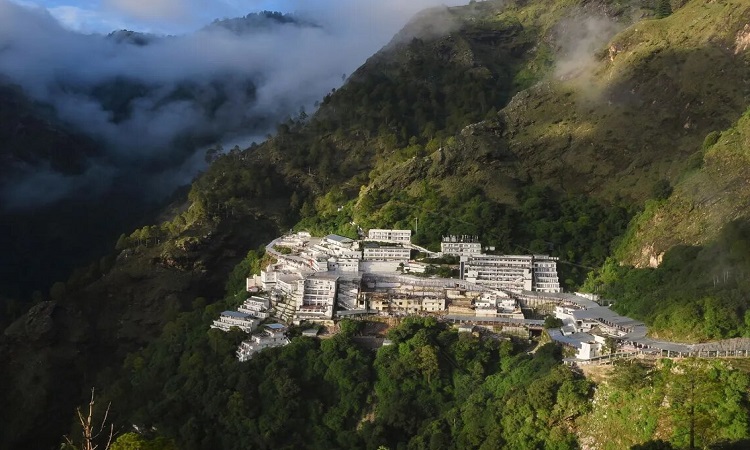
Nestled peacefully in the Trikuta ranges of Jammu, Vaishno Devi is one of the most revered Hindu pilgrimage sites. The cave temple, which is believed to be the home of Goddess Parvati or Goddess Shakti as well as 33 other Hindu deities, is situated at an altitude of 5200 feet. Notable places to visit in Vaishno Devi include Darshan Deodhi, Charan Paduka, Hathi Mata, Banganga, Lion’s Paw, Himkoti, Ardh Kuwari, Bhairavnath Temple, Indraprastha, Sanjhi Chhat Bhawan and Garbhjun.
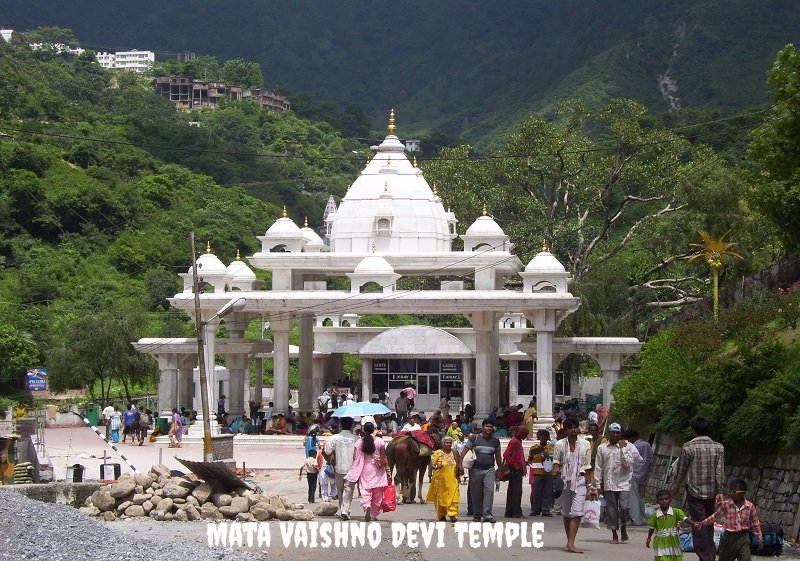
Banganga, situated in the foothills of Trikuta, is the starting point of the trek, and Ardha Kuwari, the midpoint, is the important Vaishno Devi attraction called Garbhasana. Devotees believe that by visiting this sacred sanctum one gets relief from labor pain gets liberated from the cycle of births and attains salvation.
The Vaishno Devi Temple distinguishes itself from other Hindu temples as it does not have idols or images of deities in its sanctum. Instead, the cave contains naturally formed pindis or rock formations submerged in water, which are believed to be manifestations of Mata Vaishno Devi. This unique cave temple is one of the 108 Shakti Peeths, highly revered holy sites in Hinduism.
2. A large number of pilgrims visit Vaishno Devi every year:
Despite the arduous climb of 12 km, the Vaishno Devi temple attracts a large number of devotees, with an estimated one crore tourists visiting annually. The daily limit of pilgrimage is 30,000-35,000 people. Devotees from across the country and abroad demonstrate unwavering faith, overcoming the challenges of climbing and harsh weather.
3. Exciting Vaishno Devi Story:
The worship of Vaishno Devi has its roots in the Rigveda, a story that gained prominence during the Mahabharata. The story tells that Maa Vaishno Devi observed the fast of ‘Navratri’ praying for the victory of Lord Rama over the demon king Ravana. By the grace of Lord Rama, she was blessed to be revered all over the world as Mata Vaishno Devi.
Another aspect involves Mahayogi Gorakhnath sending Bhairo Nath to gather information about the rapidly emerging goddess. To escape Bhairo Nath’s pursuit, Vaishnavi entered the cave where the temple stands today. After beheading him in self-defense, Mata Vaishnavi forgave him and built a temple at the foothills. Later he left his mortal body and took the form of a three-headed rock inside the cave.
4. Another interesting Vaishno Devi story:
The story of a poor Brahmin Pandit Sridhar is noteworthy. Inspired by the darshan of Goddess Vaishno Devi, he sets out on a challenging journey to the temple. When he lost his way, the Goddess appeared in his dreams gave him the right guidance, and removed the problems of his life.
5. Vaishno Devi is an important site from archaeological, geographical and mythological point of view:
Geological studies suggest the antiquity of the cave at around one million years old. The original route leading to the cave was narrow, due to which an alternative route was constructed in Ardh Kuwari. Lucky pilgrims can see the original cave, which is generally open in December and January when the number of pilgrims is less. The cave is also here where the body of Bhairavnath was lying after Mata Vaishno Devi beheaded him. It is said that the sacred river Ganga flows through the cave area.
Despite the mention of Trikuta Mountain in the Rigveda, evidence of worship of female deities emerged only in the Puranic era.
6. Vaishno Devi Yatra offers a beautiful opportunity of trekking in the mountains:
The 12 km trek from the base camp of Katra to the main Vaishno Devi temple involves a steep climb, with gently rolling slopes on either side or paved paths, reducing the difficulty. An alternative route marked by stairs shortens the journey but becomes steeper with its steeper slopes.
The midpoint, Ardh Kwari, leads to Sanjhi Chhat, a flat and beautiful plateau area, which serves as a rest stop and helipad. From there, a comfortable walk of 2.5 km takes you to the main temple. Vaishno Devi helicopter booking provides an option to avoid arduous travel, especially beneficial for families with elderly members.
You have the option to purchase a convenient Vaishno Devi Yatra By Helicopter at this link.
7. The area around Vaishno Devi Temple offers spectacular natural beauty:
Despite the physically demanding journey, the lush greenery, spectacular mountain views, and soothing weather make for a pleasant experience. The frequent hymns and bhajans sung by fellow pilgrims add to the memorable atmosphere along the way.
8. Vaishno Devi Yatra is most intense and satisfying during Navratri:
As a temple of Goddess Shakti incarnated in the form of Mata Vaishno Devi, the temple witnesses an increase in the number of visitors during Navratri. While darshan becomes challenging due to the crowd, it is one of the best times for devotees to witness the infectious devotion, extensive festivities, and lavish decorations.
9. It is more than a pilgrimage site:
Beyond its religious significance, Vaishno Devi offers a great trekking experience, dotted with cafes and eateries along the way, which serve delicious North Indian cuisine. Café Coffee Day outlets and various vendors offer attractive items worth purchasing as puja items and souvenirs. Katra offers a shopping paradise for gifts like walnuts, dry fruits, cherries, bakery items, shawls, and handicraft items.
10. A visit to Vaishno Devi ensures a wonderful time for your family
Offering a clean and fear-free environment, Vaishno Devi is an ideal place for families to enjoy the pleasant climate and atmosphere. Suitable for all age groups including old parents and young children, it combines pilgrimage, picnic, and trekking experiences. An exciting pony ride adds to the overall enjoyment, making it one of the must-see activities in Vaishno Devi.
How to reach Vaishno Devi?
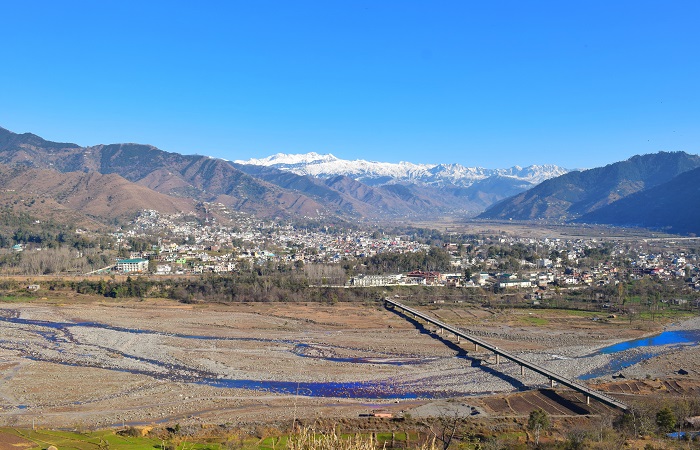
The quaint town of Katra, located only 50 km from Jammu, serves as the starting point for the Vaishno Devi Yatra. Jammu is the nearest airport and railway station for Vaishno Devi Yatra. To reach Katra, you can either take a bus from Jammu Bus Stand, which costs around Rs. Hire a taxi for Rs 50 or around Rs 1,500.
From Katra, start an arduous journey of 12 km along a well-paved road leading to Vaishno Devi Temple. However, if you or a family member faces health concerns or is unable to undertake an extended trip, consider the option of Vaishno Devi helicopter packages. Regular Vaishno Devi helicopter tours operate from Katra to Sanjhi Chhat, reducing the walking distance to the temple by 2.5 km. booking one of these helicopter rides can be done through the official website of the Mata Vaishno Devi Shrine Board, or you can choose a comprehensive Vaishno Devi tour package, which often includes this convenient service.
For those looking for alternative means of climbing, ponies, palanquins and porters are available for rent along the way, providing a more comfortable climb.
The best time to visit Vaishno Devi Temple
Vaishno Devi Yatra is open to pilgrims throughout the year, but the most suitable period to visit is during the peak season, which is generally from May to June (summer), with New Delhi falling between March to April. It also happens during the year and Navratri. And September to October. It is advisable to stay away from the monsoon season (July to September) due to heavy rainfall, which makes the trek paths slippery and challenging. Additionally, the temperatures remain cooler in December and January, so it is advisable to start the trek at dawn to ensure a more comfortable journey.
This holiday season, get ready to go on the most coveted and serene holiday nestled in the lap of the mountains, or more precisely, the lap of Mata Vaishno Devi. Create lasting memories with your loved ones by booking your Vaishno Devi Package and enjoy a delightful blend of pilgrimage and vacation that will leave an indelible mark in your hearts for a lifetime.
 Shivika Travel Blogger