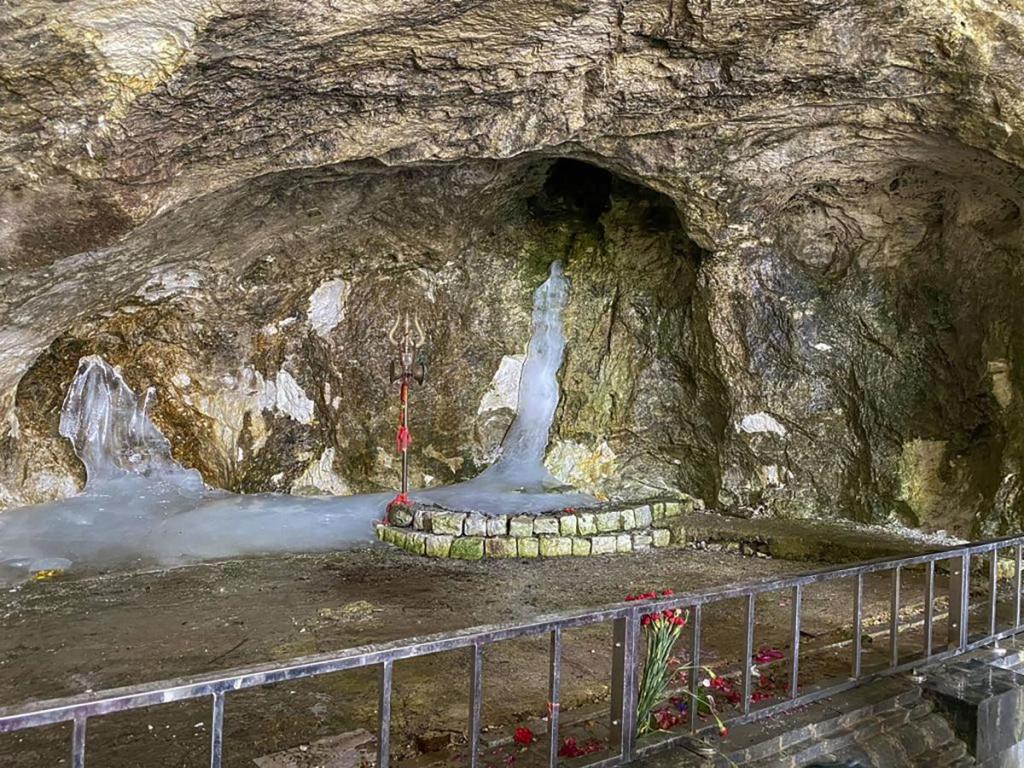
Amarnath, a holy site in the Indian state of Jammu and Kashmir, is one of the most important pilgrimage destinations for Hindus. The Amarnath cave, located 3,888 metres above sea level, is thought to be the location where Lord Shiva revealed the secret of immortality to his wife Parvati. The cave is well-known for its naturally formed ice stalagmite, which is thought to represent the Hindu God Shiva. Pilgrims must complete a difficult trek to reach the cave, which usually begins in the towns of Pahalgam or Baltal. The journey takes them through breathtaking scenery, including snow-capped mountains, gleaming glaciers, and pristine valleys. Aside from the pilgrimage, there are many other things to do in Amarnath, such as exploring nearby towns and villages, visiting ancient temples, and participating in adventure activities like hiking and skiing, to book with Amarnath Yatra Packages and sail for this adventurous divine journey this vacation.
Exploring In and Around Amarnath
Hike to Amarnath Cave
The main reason people visit Amarnath is for the Amarnath Yatra, or pilgrimage to the Amarnath cave. The journey to the cave is difficult and takes four to five days to complete. The trek begins in Pahalgam or Baltal, and pilgrims must travel approximately 46 kilometers to reach the cave. The journey takes them through some of the Himalayas’ most beautiful landscapes, including snow-capped mountains, gleaming glaciers, and pristine valleys. The trek is physically demanding, and it is best attempted with prior trekking experience. The breathtaking views and spiritual significance of the cave, on the other hand, make it a once-in-a-lifetime experience.
Explore the Nearby Towns and Villages
The Amarnath region is surrounded by several picturesque towns and villages worth visiting. Pahalgam, the base camp for the Amarnath Yatra, is one such town. Pahalgam is well-known for its scenic beauty and is also known as the ‘Valley of Shepherds.’ The town is surrounded by dense green forests, sparkling streams, and snow-capped mountains. Hiking, skiing, and white water rafting are among the adventure activities available in Pahalgam. Sonamarg, also known as the “Golden Meadow,” is another town worth visiting. The town is situated at an elevation of 2,740 metres above sea level, surrounded by snow-capped mountains and dense forests. Sonamarg is an excellent trekking destination, with several scenic trekking trails surrounding the town. The Thajiwas Glacier is also nearby and a popular tourist destination.
Explore the Ancient Temples
Several ancient temples worth exploring can be found in the Amarnath region. The Shankaracharya Temple in Srinagar is one such temple dedicated to Lord Shiva. The temple is perched on a hill and provides breathtaking views of the city. The temple is thought to have been built in the 9th century by the famous philosopher Shankaracharya. Another temple worth seeing is Ganderbal Kheer Bhawani Temple, which is dedicated to the Hindu goddess Ragnya Devi. The temple is situated on the banks of the Kheer Bhawani River, surrounded by verdant green forests. The spring at the temple is famous for changing colours depending on the goddess’s mood.
Participate in Adventure Activities
Aside from pilgrimage, the Amarnath region is an excellent location for adventure activities. There are several trekking trails in the area that provide stunning views of the Himalayas. The Tarsar Marsar Trek and the Great Lakes Trek are two of the region’s most popular treks. Skiing is another popular adventure activity in the area, and there are several ski resorts nearby that provide excellent skiing opportunities. Gulmarg’s ski season typically begins in December and lasts until March. White water rafting is another popular activity in the area, with the Lidder River in Pahalgam providing some of the best rafting opportunities. The rafting season typically begins in April and lasts until August.
Participate in The Amarnath Yatra festival
The Amarnath Yatra festival is one of the most important festivals in the Hindu calendar, and it takes place every year from June to August. Thousands of pilgrims from all over India attend the festival to commemorate the discovery of the Amarnath cave. The festival is a vibrant affair, with a variety of performers.
Best Season to Visit
The summer months of June to August are ideal for visiting Amarnath because the weather is pleasant and the Amarnath Yatra is held. The temperature during this period ranges from 10 to 25 degrees Celsius, making it ideal for trekking and other outdoor activities.
During this time, the Amarnath Yatra takes place, providing pilgrims with an excellent opportunity to visit the Amarnath cave and pay their respects to Lord Shiva. The cave is only open to visitors for a limited time each year, and visitors can only enter the cave during the yatra. Thousands of pilgrims from all over India attend the yatra, which is a colourful and vibrant event.
The summer months are also ideal for exploring nearby towns and villages and participating in adventure activities. The weather is ideal for hiking, skiing, and white water rafting, and there are several trekking trails throughout the region that provide stunning views of the Himalayas.
However, keep in mind that the weather in the region can be unpredictable, and there may be landslides and roadblocks due to heavy rainfall on occasion. It is recommended that you check the weather forecast and plan your trip accordingly.
How To Reach
Amarnath is a remote destination in the Himalayas, and getting there can be difficult. Visitors to Amarnath, on the other hand, have several options for getting there, including by road, rail, and air.
By Road:
The most common way to get to Amarnath is by car. From Srinagar, which is well-connected to other major cities in India, visitors can hire a taxi or take a bus. The journey from Srinagar to Pahalgam, the Amarnath Yatra’s base camp, takes about 2-3 hours. Visitors must trek from Pahalgam to the Amarnath cave.
By Rail:
Jammu Tawi railway station is the closest to Amarnath and is well-connected to other major cities in India. Visitors can take a taxi or bus from Jammu Tawi to Srinagar, and then drive to Pahalgam. It takes approximately 12 hours to travel from Jammu Tawi to Srinagar.
By Air:
The Srinagar International Airport is the closest airport to Amarnath and is well-connected to other major cities in India. Visitors can reach Pahalgam by taxi or bus from the airport. The drive from Srinagar to Pahalgam takes approximately 2-3 hours.
After arriving in Pahalgam, visitors must embark on a 46-kilometer trek to reach the Amarnath cave. The trek is physically demanding, and it is best attempted with prior trekking experience. However, there are a number of support services available along the way, such as ponies, porters, and helicopters, that can make the journey more bearable. Amarnath can be reached by road, rail, or air, among other modes of transportation. The journey to the Amarnath cave, on the other hand, is difficult and physically demanding, and visitors should be prepared accordingly.
Essentials
Visiting the Amarnath cave is both a physically and spiritually challenging experience. However, certain guidelines must be followed to ensure a safe and comfortable journey. Here are some general guidelines for visiting Amarnath:
Registration:
Before embarking on the Amarnath Yatra, all visitors must register. Registration is required and can be completed online or at designated registration counters.
Fitness:
The trek to the Amarnath cave is 46 kilometers long and can be physically demanding. Visitors must be physically fit and have previous trekking experience.
Weather:
The weather in the region can be unpredictable, so visitors should be prepared for sudden temperature and weather changes. Warm clothing, rain gear, and comfortable shoes are recommended.
Medical examination:
Before embarking on the Amarnath Yatra, visitors should have a medical examination. The journey is not recommended for people who have heart problems, asthma, or high blood pressure.
Safety:
Visitors should adhere to all safety guidelines and instructions provided by authorities. It is best to stick with the group rather than going out on your own.
Respect for the environment:
Visitors should keep their surroundings clean and avoid littering. It is also critical to protect the environment and not harm the local flora and fauna.
Respect for the culture:
Visitors should be respectful of the local culture and traditions. It is best to dress modestly and refrain from engaging in any behavior that may offend the locals.

 Shivika Travel Blogger